
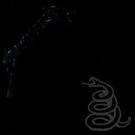
Kill ’em All: the story Metallica wants to tell
Kill ’em All- Album Overview
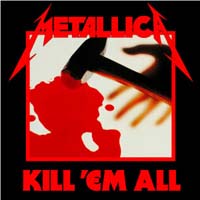
Released on July 25, 1983, "Kill 'em All" marks the explosive debut album of American heavy metal band Metallica. The record was released under the independent label Megaforce Records and is credited with helping to define the thrash metal genre, characterized by its aggressive tempos and intricate guitar riffs. Produced by Paul Curcio and recorded at Music America Studios in Rochester, New York, the album showcases the raw energy and technical prowess of the band's early lineup, which included lead vocalist James Hetfield, drummer Lars Ulrich, lead guitarist Dave Mustaine, and bassist Cliff Burton.
"Kill 'em All" features a total of 10 tracks, including iconic songs like "Seek & Destroy," "Whiplash," and "The Four Horsemen." The album's themes revolve around rebellion, violence, and the struggles of youth, resonating deeply with fans and setting the stage for Metallica's subsequent exploration of darker, more complex lyrical content. The single "Jump in the Fire" was released to promote the album, and although it didn’t achieve major commercial success, it helped cement the band's place in the burgeoning metal scene.
The album's impact on the heavy metal landscape is profound, influencing countless bands and establishing Metallica as a formidable force in the music industry. The raw sound, combined with Hetfield’s powerful vocals and Mustaine's skillful guitar work, created a template that would inspire future generations of musicians. "Kill 'em All" not only laid the groundwork for Metallica's later masterpieces but also contributed to the rise of thrash metal as a subgenre, blending elements of punk rock with the technicality of heavy metal.
Review
"Kill 'em All" is a visceral experience, capturing the essence of youthful rebellion and raw musical energy. The opening track, "Hit the Lights," sets an intense tone, with its fast-paced riffs and aggressive drumming immediately drawing listeners into Metallica's world. The lyrical content is straightforward yet powerful, reflecting themes of angst and defiance that resonate with the band's young audience. Musically, the album is an intricate tapestry of fast tempos, complex guitar solos, and relentless drum patterns, showcasing the band's technical prowess and ability to create infectious melodies within the chaos.
The production, while raw, adds to the album's charm, offering an authentic glimpse into the early 80s metal scene. The energy captured in the recording is palpable; it feels as though the listener is witnessing a live performance rather than a studio recording. However, the relatively lo-fi production can also be a double-edged sword, as it sometimes obscures the intricacies of the musicianship. Overall, "Kill 'em All" is a bold declaration of Metallica's arrival on the heavy metal stage, blending speed, aggression, and a sense of youthful abandon that few albums have matched since.
Highlights
- Iconic tracks that became staples of the metal genre, such as "Seek & Destroy" and "Whiplash."
- Raw energy and aggression that perfectly encapsulates the spirit of early 80s metal.
- Influential sound that laid the groundwork for future metal subgenres and bands.
Weak points
- Lo-fi production may detract from the clarity of instrumental performances for some listeners.
- Lyrical themes can feel repetitive at times, focusing heavily on violence and rebellion.
- The album's rawness may not appeal to fans accustomed to more polished modern metal productions.
Overall evaluation
"Kill 'em All" is a groundbreaking debut that not only introduced Metallica to the world but also helped to shape the heavy metal genre as we know it today. Its raw power and youthful energy resonate through the years, making it a timeless classic. The album is
 2011Lulu
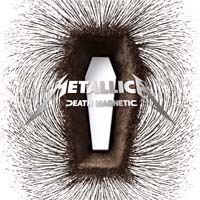 2008Death Magnetic
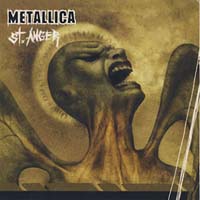 2003St. Anger
 1998Garage Inc.
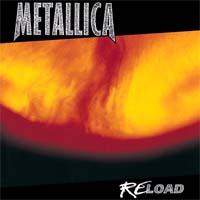 1997Reload
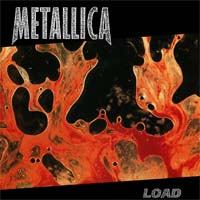 1996Load
 1991Metallica
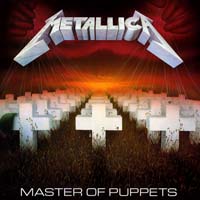 1986Master of Puppets
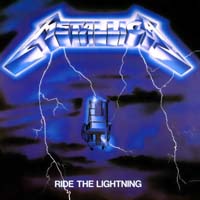 1984Ride the Lightning
 1983Kill 'em All