Joe’s Garage: Acts Ii & Iii- Album Overview
Frank Zappa's "Joe’s Garage: Acts II & III," released in 1979, is a rock opera that serves as the continuation of the narrative established in "Joe’s Garage: Act I." This ambitious album was released on Zappa Records and showcases Zappa's genius in blending rock, jazz, and avant-garde elements. The album features a range of collaborators, including the talented musicians from his band, such as Steve Vai, who would later become famous in his own right. The recording sessions were characterized by Zappa's meticulous approach to production, capturing not only the technical prowess of the musicians but also the theatricality of the narrative.
The album consists of 22 tracks, with notable songs such as "Don't Eat the Yellow Snow," "The Central Scrutinizer," "Crew Slut," and "Watermelon in Easter Hay," which highlight Zappa’s intricate compositions and often satirical lyrics. Thematically, "Joe’s Garage" explores the pitfalls of fame, censorship, and the music industry, as well as personal freedom and the absurdities of modern life. Zappa's sharp wit and social commentary resonate deeply, making the work culturally significant in the context of the late 1970s. The album, often seen as a critique of the music business, has maintained its relevance over the decades, attracting new generations of listeners.
Furthermore, "Joe’s Garage: Acts II & III" continued to build on Zappa's legacy as a pioneer of progressive rock and his refusal to conform to commercial expectations. The album's unique blend of genres and narrative complexity cemented Zappa's status as an avant-garde icon. Its production quality, characterized by Zappa's innovative use of studio technology, remains impressive, showcasing the intricate arrangements and musicianship that define his work.
Review
"Joe’s Garage: Acts II & III" is a testament to Frank Zappa's unyielding creativity and musical prowess. The album’s sound is a rich tapestry woven from various musical influences, featuring complex time signatures, intricate guitar solos, and an eclectic mix of instruments. Lyrically, Zappa's biting satire shines through, particularly in tracks like "The Central Scrutinizer," where he critiques the music industry’s exploitation of artists. The narrative flow throughout the album is seamless, allowing listeners to immerse themselves in Joe's journey from aspiring musician to a figure ensnared by the trappings of fame.
Zappa's artistic vision is brilliantly realized through the album's structure, which combines humor with poignant social commentary. The characters are well-developed, and the storytelling is both engaging and thought-provoking. The interplay between spoken word segments and musical performance creates a dynamic listening experience, making it more than just an album—it is a theatrical experience. While some may find Zappa's avant-garde style challenging, those who appreciate the depth of his compositions will discover a rewarding journey through sound and narrative.
Highlights
- Intricate musical arrangements displaying Zappa's virtuosity.
- Witty and satirical lyrics that critique the music industry.
- A seamless blend of rock, jazz, and theatrical storytelling.
Weak points
- The complexity may alienate casual listeners.
- Some tracks might feel overly long or self-indulgent.
- Not every listener will appreciate Zappa's unique sense of humor.
Overall evaluation
"Joe’s Garage: Acts II & III" is a landmark work that showcases Frank Zappa's unparalleled creativity and musical genius. It offers a unique blend of humor, social commentary, and complex musicianship that continues to resonate with audiences today. A must-listen for those who appreciate innovative music.
Personal rating: 9/10


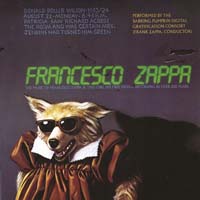 1984Francesco Zappa
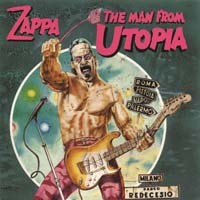 1983The Man From Utopia
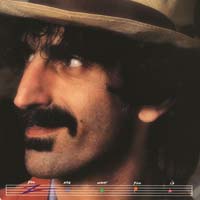 1981You Are What You Is
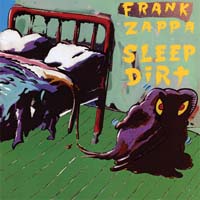 1979Sleep Dirt
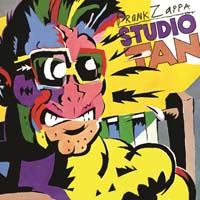 1978Studio Tan
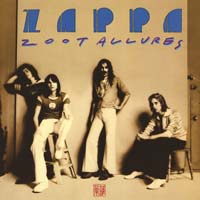 1976Zoot Allures
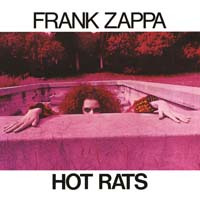 1969Hot Rats
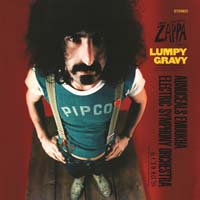 1967Lumpy Gravy