ALBUM NOTESInti Illimani – Inti-illimani 2: La Nueva Canción Chilena: a sonic journey
Inti-illimani 2: La Nueva Canción Chilena- Album Overview
Inti Illimani's album "Inti-illimani 2: La Nueva Canción Chilena," released in 1973, serves as a cornerstone of the Nueva Canción Chilena movement, a cultural and musical revolution in Chile that emerged in the late 1960s and 1970s. This album, released under the label CBS, showcases the group's commitment to fusing traditional Andean music with contemporary folk and social commentary. Recorded during a time of great political upheaval in Chile, the album's tracks reflect a deep connection to the struggles of the Chilean people and a dedication to social justice.
The band, formed in 1967, consists of musicians who brought together a plethora of instruments, including charangos, pan flutes, and guitars, creating a rich tapestry of sound that is both haunting and uplifting. Collaborators on this album include notable Chilean artists who contributed to the songwriting and instrumentation, enhancing the group’s already robust sound. "Inti-illimani 2" features songs that became anthems during the Allende era and beyond, with singles like "El Pueblo Unido Jamás Será Vencido" gaining international recognition.
This album is not only significant musically but also historically, as it was released shortly before the military coup that would lead to years of oppression in Chile. The music of Inti Illimani became a symbol of resistance, resonating with those who sought hope in dark times. The album art, as striking as the music, represents the cultural pride and resilience that characterized the Nueva Canción movement, making "Inti-illimani 2" not just an album, but a profound cultural artifact.
Review
"Inti-illimani 2: La Nueva Canción Chilena" encapsulates the essence of a transformative period in Chilean history through its powerful sound and poignant lyrics. The album is a masterclass in blending traditional Andean melodies with contemporary folk, creating an ethereal soundscape that transports listeners to the heart of the Andes. Each track is a narrative, painting vivid images of love, struggle, and hope. The group's vocal harmonies are particularly striking, conveying a sense of unity and collective strength.
Musically, the album features a rich array of instrumentation that highlights the unique qualities of Andean music while also incorporating elements of Latin American folk. The use of traditional instruments such as the charango and pan flute adds authenticity to the sound, while the incorporation of modern arrangements gives the music a timeless quality. Lyrically, the songs are imbued with a sense of purpose, often reflecting the socio-political landscape of Chile at the time, making the listener not just an observer but a participant in the narrative.
Overall, "Inti-illimani 2" serves as a powerful reminder of the role music plays in social movements, showcasing the ability of art to inspire and mobilize. The album stands as a testament to the resilience of the Chilean people and the enduring power of music as a form of resistance.
Highlights
- Rich and authentic instrumentation that captures the essence of Andean music.
- Powerful vocal harmonies that convey deep emotional resonance.
- Significant cultural and political context that enhances the listening experience.
Weak points
- Some tracks may feel too deeply rooted in their political context for casual listeners.
- The production quality may vary compared to modern recordings.
- Limited mainstream appeal outside of Latin America due to its specific cultural references.
Overall evaluation
"Inti-illimani 2: La Nueva Canción Chilena" is a profound musical journey that encapsulates a pivotal moment in Chilean history through its rich soundscapes and impactful lyrics. It stands as a significant work of art that continues to resonate with audiences today.
Personal rating: 9

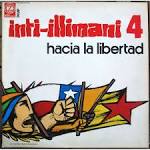
 2006Esencial
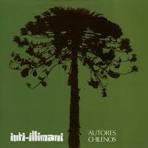 1971Autores Chilenos
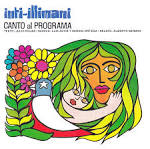 1969Si Somos Americanos
 1969Inti Illimani