

How The Saints shaped the sound of I Thought This Was Love, But This Ain't Casab
I Thought This Was Love, But This Ain't Casab- Album Overview
"I Thought This Was Love, But This Ain't Casab" is the third studio album by the legendary Australian punk band The Saints, released in 1981. This album marked a pivotal moment in the band's evolution, showcasing their ability to blend punk with other musical genres, including rock and new wave. Released under the label Brassie Records, the album was produced by the band themselves in collaboration with renowned producer and engineer, Tony Cohen, who had previously worked with influential acts in the Australian music scene.
Recording took place in various studios around Melbourne, where The Saints sought to capture a raw, energetic sound that reflected their live performances. The album features notable tracks such as "Love is Gone" and "The Last Time," which highlight the band's knack for catchy melodies paired with poignant lyrics. The Saints were well-known for their confrontational style and lyrical themes that often addressed social issues and personal experiences, and this album is no exception.
"I Thought This Was Love, But This Ain't Casab" was significant not only for its sound but also for its cultural impact, as it emerged during a time when punk was evolving and branching into new territories. The album's mix of punk energy and lyrical introspection is a testament to the band's innovative spirit. The Saints' fearless approach to music laid the groundwork for many future artists, influencing the punk and alternative rock scenes both in Australia and beyond.
Review
The sound of "I Thought This Was Love, But This Ain't Casab" is a captivating fusion of raw punk energy and melodic sensibilities. The production is gritty yet polished, allowing the band's frenetic guitar riffs and driving rhythms to shine through. Lyrically, the album explores themes of love, loss, and disillusionment, delivered with a sardonic wit that is characteristic of The Saints. Tracks like "Love is Gone" encapsulate the emotional turmoil often found in relationships, while "The Last Time" serves as a powerful anthem of farewell.
Artistically, The Saints push the boundaries of the punk genre, integrating elements of rock and new wave that broaden their appeal without compromising their core identity. The vocal delivery of lead singer Chris Bailey is both passionate and contemplative, adding depth to the album's narrative. The Saints successfully balance their punk roots with musical experimentation, making this album a noteworthy entry in their discography and a significant contribution to the broader music landscape of the early 80s.
Highlights
- Strong lyrical themes that resonate with personal and societal issues.
- Catchy melodies that showcase the band's musical evolution.
- Raw energy captured in the production, reflecting their live performance intensity.
Weak points
- Some tracks may feel less polished compared to their earlier work.
- Not all songs achieve the same level of impact, leading to a few weaker moments.
- Potentially limited appeal for listeners unfamiliar with the punk genre.
Overall evaluation
"I Thought This Was Love, But This Ain't Casab" is a bold statement from The Saints, showcasing their growth as artists while remaining firmly rooted in their punk origins. The album's blend of catchy hooks and thought-provoking lyrics solidify its place in music history.
Personal rating: 8/10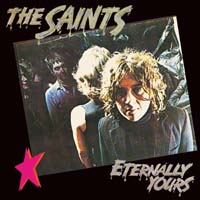 1978Eternally Yours
 Stranded.jpg) 1977(I'm) Stranded
1977(I'm) Stranded