ALBUM NOTESLittle Milton-Grits Ain't Groceries – Grits Ain't Groceries: a sonic journey
Album overview
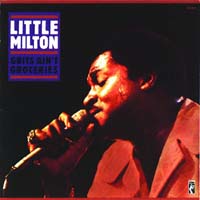
Little Milton's album "Grits Ain't Groceries," released in 1969, is a significant entry in the world of blues music. This album was recorded under the Stax Records label, a powerhouse in the soul and blues genres during the 1960s. Known for his exceptional guitar work and powerful vocals, Little Milton (born Milton Campbell) collaborated with renowned musicians of the era, including the likes of Isaac Hayes and Al Jackson Jr., who contributed to the album's rich sound. The title track, "Grits Ain't Groceries," stands out as a soulful anthem that encapsulates the struggles and joys of everyday life, blending elements of blues, soul, and R&B.
The album features a total of 10 tracks, showcasing Milton's diverse musical influences and his ability to convey deep emotion through his music. Songs like "We're Gonna Make It" and "I Can't Quit You Baby" highlight his vocal prowess and ability to connect with listeners on a personal level. The production quality of the album reflects the high standards of Stax Records, with dynamic arrangements that complement Milton's expressive performance. "Grits Ain't Groceries" not only solidified Little Milton's reputation as a leading figure in blues music but also contributed to the cultural tapestry of the late '60s, resonating with audiences who faced social and economic challenges.
Review
"Grits Ain't Groceries" is a masterclass in blues and soul, showcasing Little Milton's exceptional ability to blend heartfelt storytelling with an infectious groove. The album's sound is characterized by its smooth production, featuring lush instrumentation that complements Milton’s gritty yet soulful voice. The title track is a standout, delivering a catchy hook that invites listeners to engage with its message. Milton's lyrics often reflect themes of love, struggle, and resilience, striking a chord with anyone familiar with life's ups and downs.
The artistry on display is remarkable, with Milton's guitar solos weaving seamlessly into the fabric of the songs, enhancing the emotional depth. The album's pacing is well-crafted, balancing slower, poignant tracks with more upbeat numbers that create an engaging listening experience from start to finish. This album not only serves as a showcase for Milton's talents but also represents an important chapter in the evolution of blues music during a time of significant cultural change in America.
Highlights
- Exceptional guitar work that enhances the emotional impact of the songs.
- Strong vocal performances that resonate with personal and relatable themes.
- A well-rounded blend of blues, soul, and R&B that appeals to a broad audience.
Weak points
- Some tracks may feel repetitive in structure.
- Occasional overproduction that can detract from the raw blues essence.
- Lack of diversity in tempo across the album, which may affect overall engagement.
Overall evaluation
"Grits Ain't Groceries" stands as a testament to Little Milton's enduring legacy in the blues genre. While it has minor shortcomings, the album's strengths far outweigh them, making it a must-listen for fans of blues and soul. Its cultural significance and musical craftsmanship ensure that it remains relevant even decades after its release.
Personal rating: 8/10
```

 2014Me For You, You For Me