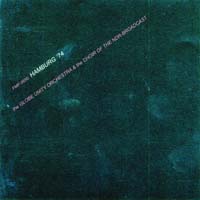
ALBUM NOTESListening guide: Globe Unity Orchestra's Globe Unity 67 & 70
Globe Unity 67 & 70- Album Overview
The "Globe Unity 67 & 70" album, released in 1970, is a remarkable collection by the avant-garde jazz ensemble Globe Unity Orchestra, a project initiated by the German composer and musician Peter Brötzmann. This two-part album features live recordings from two distinct concerts held in 1967 and 1970, showcasing the group's pioneering approach to free jazz and improvisation. The album was released under the legendary jazz label FMP (Free Music Production), which was known for promoting innovative and experimental sounds during the 1960s and 70s.
The ensemble featured an impressive lineup of musicians, including notable figures such as Brötzmann on saxophone, the trumpeter Manfred Schoof, and the bassist Peter Kowald. The diverse instrumentation and the collaborative spirit of the musicians contributed to a sound that was both chaotic and deeply expressive, embodying the ethos of free jazz. The compositions are largely improvised, allowing the artists to explore sonic landscapes without the constraints of traditional song structures.
"Globe Unity 67 & 70" is significant not just for its artistic achievements but also for its cultural context. Released during a time of political unrest and social upheaval in Europe, the music reflects the spirit of the age, embracing radicalism and experimentation. The album also marks a pivotal moment in the evolution of European jazz, positioning itself as a counterpoint to the more commercial strains emerging in the United States.
Review
The sound of "Globe Unity 67 & 70" is an exhilarating ride through the uncharted territories of improvisational jazz. The tracks are characterized by their frenetic energy, with musicians engaging in a dialogue that oscillates between dissonance and harmony. Each piece reveals different textures, from the piercing shrieks of Brötzmann's saxophone to the thunderous, pulsating rhythms provided by the percussionists. The album is non-linear, defying traditional expectations of melody and structure, which can be both liberating and challenging for listeners.
Lyrically, while the album does not feature conventional lyrics, the emotional weight of the music conveys narratives of struggle, joy, and exploration. The artistic vision behind the project was to break free from the constraints of the past and to forge a new path for jazz, which they successfully achieved through their bold improvisations. The sheer audacity of the performances reflects a collective commitment to pushing boundaries, making the album a significant artifact of its time.
Highlights
- Powerful improvisational performances that push the boundaries of jazz.
- A unique blend of instrumentation, creating a rich tapestry of sound.
- Cultural significance as a reflection of the radical changes in 1960s and 70s Europe.
Weak points
- May be too avant-garde for listeners accustomed to traditional jazz forms.
- Some tracks can feel lengthy and challenging to digest in one sitting.
- Lack of structured compositions might alienate casual listeners.
Overall evaluation
"Globe Unity 67 & 70" stands as a monumental testament to the evolution of free jazz, offering a raw and visceral listening experience that captures the spirit of a transformative era in music. Its complexity may deter some, but for those willing to engage, it provides a profound exploration of sound and collaboration.
Personal rating: 8/10