
One week with Ev’rything’s Coming Up Dusty: thoughts on Dusty Springfield
Ev’rything’s Coming Up Dusty- Album Overview
Released in 1965, "Ev’rything’s Coming Up Dusty" is the second studio album by British singer Dusty Springfield, a pivotal figure in the pop and soul music scenes of the 1960s. The album was released under the Philips Records label and showcases Springfield's powerful and emotive vocal style. The production was largely overseen by the renowned songwriting and production duo of Burt Bacharach and Hal David, who contributed to several tracks, giving the album a polished and sophisticated sound. The recording sessions took place at various studios in the UK and the US, including the famed Abbey Road Studios.
"Ev’rything’s Coming Up Dusty" is notable for its eclectic mix of musical styles, including pop, soul, and blue-eyed soul, which was becoming increasingly popular during this period. The album features a collection of tracks that highlight Springfield’s ability to convey deep emotion through music. Key singles from the album include "I Only Want to Be with You," which became a hit in both the UK and the US, and "You Don't Have to Say You Love Me," which further cemented her status as a leading vocalist of the decade.
Culturally, this album is significant as it represents the intersection of British pop and American soul, showcasing Springfield's unique ability to bridge these genres. Her influence extended beyond music, as she became a style icon and a trailblazer for female artists in the industry. "Ev’rything’s Coming Up Dusty" remains a classic in Springfield's discography and a testament to her enduring legacy in music history.
Review
Upon revisiting "Ev’rything’s Coming Up Dusty," one is immediately struck by the emotional depth of Springfield’s voice. The album opens with "I Only Want to Be with You," a track that perfectly encapsulates the blend of upbeat pop and heartfelt lyricism that defines much of Springfield’s work. The production is rich and layered, with orchestral arrangements that complement her vocals beautifully.
The lyrical themes often revolve around love and longing, and Springfield's ability to convey vulnerability is particularly poignant on tracks like "You Don't Have to Say You Love Me." The song's arrangement, with its sweeping strings and poignant backing vocals, allows her to shine as she navigates the complexities of romantic relationships. The album's overall sound is a lush tapestry of soulful melodies that resonate with listeners, making it a quintessential representation of 1960s pop music.
Springfield's artistry shines through in her commitment to emotional authenticity, and her ability to connect with her audience is what makes this album a standout. While some tracks may feel dated by today's standards, the raw emotion and stellar vocal performances ensure that "Ev’rything’s Coming Up Dusty" remains a timeless piece of art.
Highlights
- Powerful and emotive vocal performances from Dusty Springfield.
- Rich orchestral arrangements that enhance the overall sound.
- Memorable hit singles that continue to resonate with audiences today.
Weak points
- Some tracks may feel overly polished or dated for contemporary listeners.
- A few songs lack the same emotional impact as the standout tracks.
- Limited diversity in musical styles compared to later works.
Overall evaluation
"Ev’rything’s Coming Up Dusty" is a remarkable album that showcases Dusty Springfield's immense talent and the cultural zeitgeist of the 1960s. It remains a beloved classic, despite a few minor shortcomings in its tracklist. Springfield's voice captivates and her artistry prevails.
Personal rating: 8/10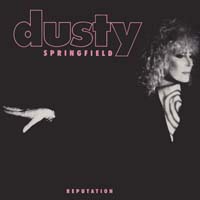 1990Reputation
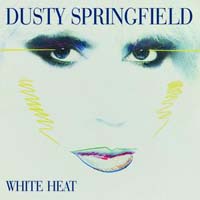 1982White Heat
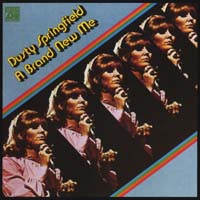 1970Brand New Me
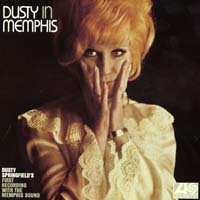
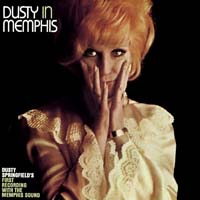 1969Dusty in Memphis
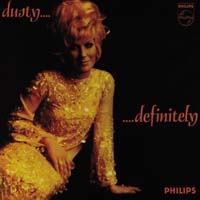 1968Dusty... Definitely
 1964Dusty
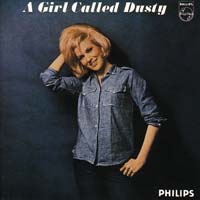 1964A Girl Called Dusty