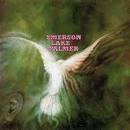
ALBUM NOTESFrom intro to finale: what Emerson, Lake & Powell delivers
Emerson, Lake & Powell- Album Overview
The self-titled album "Emerson, Lake & Powell," released in 1986, marked a significant moment in the progressive rock landscape. This collaboration between keyboardist Keith Emerson, bassist and vocalist Greg Lake, and drummer Cozy Powell came about after the original lineup of Emerson, Lake & Palmer (ELP) disbanded in the early 1980s. Released under the label Victory Music, the album was produced by the trio and further showcased the talents of co-producer and engineer, David Hentschel.
The recording sessions took place in a variety of locations, including the renowned Rockfield Studios in Wales. The album features a blend of progressive rock and hard rock elements, with a slightly more streamlined approach compared to the expansive soundscapes of ELP's previous works. The standout tracks include "The Score," "Learning to Fly," and the epic "The Miracle," which exemplify their musicality and a return to form after years of relative dormancy.
The album's release was met with a mix of intrigue and skepticism, given the absence of drummer Carl Palmer from the lineup. However, Cozy Powell’s powerful drumming and the synthesizer-laden arrangements helped craft a distinctive sound that resonated with both fans of the original band and newcomers to the genre. Singles such as "The Score" received airplay and contributed to the album’s cultural significance, as it represented not only a reunion of sorts for its members but also a bridge between the classic and contemporary rock sounds of the mid-1980s.
Review
"Emerson, Lake & Powell" presents a fascinating juxtaposition of the classic progressive rock elements that defined ELP’s earlier work with the more commercial sensibilities of the 1980s. The album opens with "The Score," a track that immediately showcases Emerson's virtuosic keyboard skills and Powell's dynamic drumming. The lyrics throughout the album, penned primarily by Lake, explore themes of introspection and existential reflection, aligning with the band's progressive roots while appealing to contemporary audiences.
However, the album also wrestles with the era's production techniques, often leaning towards a polished and synthesized sound that may alienate purists looking for the rawness of earlier ELP albums. The artistic vision exhibited here is commendable, as the trio attempts to carve out a new identity while paying homage to their legacy. Overall, while "Emerson, Lake & Powell" may not reach the heights of ELP’s seminal albums, it stands as a testament to the band’s resilience and adaptability in a rapidly changing musical landscape.
Highlights
- Exceptional musicianship, particularly in keyboard arrangements and drumming.
- Strong songwriting that balances thematic depth and accessibility.
- A successful reimagining of the ELP sound for a new decade.
Weak points
- Production choices may feel dated and overly polished for some listeners.
- Lack of Carl Palmer's distinctive drumming style may disappoint some ELP purists.
- Some tracks, while solid, lack the epic scale of classic ELP compositions.
Overall evaluation
"Emerson, Lake & Powell" offers a unique glimpse into the evolution of a legendary band, showcasing both their strengths and the challenges of adapting to a new musical landscape. It serves as both a nostalgic nod to their past and a fresh take on their sound.
Personal rating: 7/10