
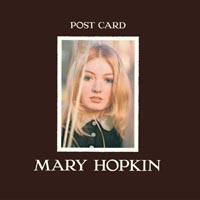
Earth Song / Ocean Song by Mary Hopkin: expectations vs reality
Earth Song / Ocean Song- Album Overview
Released in 1971, "Earth Song / Ocean Song" is the second studio album by Welsh singer-songwriter Mary Hopkin, known for her ethereal voice and folk-inspired sound. Following her successful debut with "Postcard," which featured the hit "Those Were the Days," this album was a product of her collaboration with producer Paul McCartney and was released under the Apple Records label. The album explores themes of nature, love, and spirituality, showcasing Hopkin's ability to convey deep emotion through her lyrics and melodies.
The album features 12 tracks, including the notable singles "Que Sera, Sera" and "Eleanor Rigby." Hopkin's rendition of "Que Sera, Sera" reflects her unique style while paying homage to the original by Doris Day. The lush arrangements, often featuring strings and gentle acoustic guitar, were crafted by a team of accomplished musicians, including members of the London Symphony Orchestra, enhancing the album's rich, atmospheric sound. "Earth Song / Ocean Song" is notable not only for its musicality but also for its cultural significance during a time when environmental awareness was beginning to emerge in popular discourse.
In terms of recording, the album was laid down in various studios, including the famed Abbey Road Studios, a hub for many legendary artists of the time. Hopkin's work on this album demonstrated her artistic growth and willingness to experiment with different genres, including folk, pop, and classical influences. Despite not achieving the commercial success of her debut, "Earth Song / Ocean Song" has been appreciated by fans and critics alike for its sincerity and the heartfelt quality of Hopkin's performances.
Review
The production, while polished, sometimes veers into the overly sentimental, which may not sit well with all listeners. There is an earnestness in Hopkin's delivery and songwriting that can be quite captivating, yet it occasionally borders on naïveté. The melding of folk and orchestral elements showcases her artistic vision but may leave listeners yearning for a more stripped-down approach that emphasizes her raw talent. Overall, the album stands as a testament to Hopkin's artistic identity during a pivotal moment in music history.
Highlights
- Mary Hopkin's ethereal vocal performance throughout the album.
- Lush orchestration that complements the lyrical themes of nature and spirituality.
- Strong cultural relevance, reflecting early environmental consciousness.
Weak points
- Some tracks may feel overly sentimental and lack emotional depth.
- The production can occasionally overshadow Hopkin's vocal prowess.
- Commercial performance was modest compared to her debut, impacting its legacy.
Overall evaluation
"Earth Song / Ocean Song" is a beautifully crafted album that reflects Mary Hopkin's growth as an artist while highlighting the cultural shift towards environmental awareness in the 1970s. While it may not achieve the commercial heights of her debut, it remains a poignant collection of songs that resonate with themes of love and nature.
Personal rating: 7/10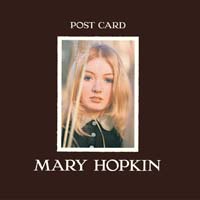 1991Post Card
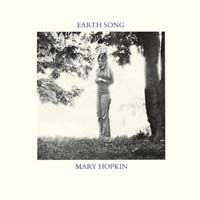 1971Earth Song, Ocean Song