
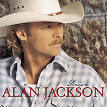
Don't Rock The Jukebox: what Alan Jackson wants you to feel
Don't Rock The Jukebox- Album Overview
Released on April 24, 1991, "Don't Rock the Jukebox" is the second studio album by American country music artist Alan Jackson. The album was produced by the legendary Keith Stegall and released under Arista Nashville. Jackson was already gaining traction in the country music scene with his debut album, but "Don't Rock the Jukebox" solidified his status as a leading figure in the genre. The album features a blend of traditional country sounds with contemporary influences, showcasing Jackson's signature storytelling style and deep, resonant voice.
The record includes some of Jackson's most enduring hits, such as the title track "Don't Rock the Jukebox," which became a chart-topping single, as well as "Chattahoochee" and "She's Got the Rhythm (And I Got the Blues)." The album produced a total of five singles that made their way onto the Billboard Hot Country Songs chart, with "Chattahoochee" reaching No. 1, further establishing Jackson's knack for crafting relatable and catchy tunes.
Jackson collaborated with notable musicians and songwriters throughout the recording process, which contributed to the album's rich sonic texture. Thematically, the album explores themes of nostalgia, love, and the quintessential American experience through a country lens. The cultural significance of "Don't Rock the Jukebox" is underscored by its reflection of the early '90s country music revival, bringing traditional sounds back into the spotlight while appealing to a new generation of listeners. Overall, this album played a crucial role in defining the sound of country music in the 1990s.
Review
"Don't Rock the Jukebox" is a quintessential country album that encapsulates Alan Jackson's authenticity and keen understanding of the genre. The production is polished yet retains a down-home feel, allowing Jackson's voice and lyrical storytelling to shine. The album features a mix of uptempo tracks and poignant ballads, showcasing Jackson's versatility as an artist.
The lyrics throughout the album are relatable and grounded, often reflecting on everyday life and emotions. Tracks like "Chattahoochee" highlight Jackson's ability to weave vivid imagery with a catchy melody, while slower songs like "Livin' on Love" delve deeper into the complexities of love and relationships. Jackson’s artistic vision is clear; he aims to connect with his audience through heartfelt narratives and a genuine love for traditional country music.
Overall, the album creates an inviting atmosphere that beckons listeners to reminisce about their own experiences, making it a beloved staple in the country music canon.
Highlights
- Strong storytelling and relatable lyrics that resonate with listeners.
- A seamless blend of traditional and contemporary country sounds.
- Chart-topping singles that solidified Alan Jackson's career.
Weak points
- Some tracks may feel formulaic and predictable to seasoned country listeners.
- Lacks the diversity of sound found in later works by Jackson.
- Production may feel overly polished for fans of raw, traditional country music.
Overall evaluation
"Don't Rock the Jukebox" is a landmark album that showcases Alan Jackson's talents and solidifies his place in country music history. While it has its weaknesses, the album's strengths far outweigh them, making it a must-listen for any country music fan.
Personal rating: 8/10 2015Angels And Alcohol
 2014Nighttime Dreams
 2010Freight Train
 2006Like Red On A Rose
 2006Precious Memories
 2002Let It Be Christmas
 2002The New Quartet
 2002Drive
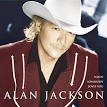 2000When Somebody Loves You
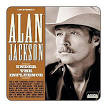 1999Under The Influence
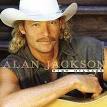 1998High Mileage
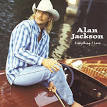 1996Everything I Love
 1993Honky Tonk Christmas
 1990Here In The Real World
 1987New Traditional