
Don’t Stop by Status Quo: expectations vs reality
Don’t Stop- Album Overview
"Don’t Stop," released in 1996, marks an important return for the legendary British rock band Status Quo. Released under the label Vertigo Records, this album is notable for being the band's first studio album in over three years, following the release of "Thirsty Work" in 1994. The production of "Don’t Stop" involved the collaboration of notable figures such as producer Mike Paxman, who played a crucial role in shaping the sound of the album, blending the band’s signature boogie rock style with contemporary elements. The album features a total of 12 tracks, including the lead single "Don’t Stop," which was a modest hit and showcased the band's enduring appeal. The band members—Francis Rossi, Rick Parfitt, Alan Lancaster, and John Coghlan—returned to their classic sound while attempting to reach a new generation of listeners. Lyrically, the album captures themes of resilience and nostalgia, reflecting the band's journey through decades of rock history. The album was well-received in the UK, where it peaked at number 14 on the UK Albums Chart, reaffirming Status Quo's standing in the music industry. "Don’t Stop" also features other notable tracks such as "I Should Have Known" and "You’ll Come ‘Round," which further solidifies the group's legacy in rock music.
Review
The sound of "Don’t Stop" is quintessentially Status Quo, characterized by catchy guitar riffs, upbeat tempos, and a mix of rock and blues influences. The production, while polished, retains a raw energy that is reminiscent of the band's earlier work. Lyrically, the album straddles a line between reflective and celebratory, with tracks that speak to both personal experiences and broader themes of perseverance. The artistic vision of the album seems to be a conscious effort to reconnect with their roots while appealing to a modern audience. This duality is both a strength and a limitation, as some tracks feel familiar to long-time fans, while others attempt to push boundaries that may not resonate as well. Overall, "Don’t Stop" is a testament to Status Quo's ability to evolve without losing their identity, making it a noteworthy addition to their discography.
Highlights
- Catchy and memorable guitar riffs that stay true to the band's rock roots.
- Strong lead single "Don’t Stop" that reinforces the band's relevance in the 90s rock scene.
- Production quality that balances modern sounds with classic rock energy.
Weak points
- Some tracks may feel repetitive for listeners familiar with the band's extensive catalog.
- Attempts at modernizing certain elements may not resonate with all fans.
- Lyrically, some themes may come across as clichéd in comparison to the band's earlier work.
Overall evaluation
"Don’t Stop" serves as a solid reminder of Status Quo's enduring legacy in rock music. While it may not fully capture the raw essence of their classic hits, it effectively showcases their ability to adapt and remain relevant. The album is a satisfying listen for fans old and new, and while it has its flaws, it stands as a respectable entry in their discography.
Personal rating: 7/10 1989Perfect Remedy
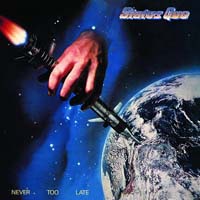 1981Never Too Late
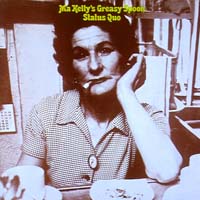 1970Ma Kelly's Greasy Spoon