
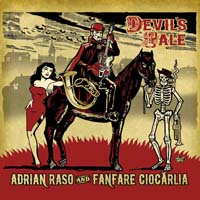
Breaking down the themes in Devil’s Tale by Fanfare Ciocarlia
Devil’s Tale- Album Overview
Released in 2013, "Devil’s Tale" is the fifth studio album by the renowned Romanian Balkan brass band Fanfare Ciocarlia. Known for their high-energy performances and dynamic instrumentation, the band continues to push the boundaries of traditional Romanian music infused with elements from various genres, including jazz and folk. The album was released under the Asphalt Tango label, a prominent platform for Balkan music that has helped popularize the genre globally.
Recorded in their hometown of Zece Pr?jini, the album showcases the band’s characteristic blend of traditional Romanian melodies with lively brass arrangements, creating a sound that is not only infectious but also deeply rooted in cultural significance. "Devil’s Tale" features a collection of original compositions and reinterpretations of traditional pieces, highlighting the band's ability to innovate while respecting their musical heritage.
The album includes standout tracks like “Bucovina” and “Crai Nou,” which exhibit the band’s virtuosity and passion for storytelling through music. The recording sessions were marked by an atmosphere of collaboration, with Fanfare Ciocarlia inviting local musicians to contribute, thus enriching the album's textures and themes. The album not only appeals to fans of Balkan music but also resonates with a broader audience, reaffirming the band’s status as ambassadors of Romanian folklore on the international stage.
Review
"Devil’s Tale" is a vibrant tapestry of sound that captivates listeners with its intricate brass arrangements and infectious rhythms. The album's opening track sets the tone with a raucous celebration that instantly draws you into the heart of Balkan festivities. Each track is a testament to Fanfare Ciocarlia's artistic vision, combining traditional motifs with modern sensibilities. The musicianship is extraordinary, featuring tight brass harmonies, rapid-fire percussion, and the unmistakable energy that the band is known for. Lyrically, while the songs often draw from traditional narratives, the real story lies in the instrumental dialogue, where each instrument speaks volumes about cultural identity and resilience.
Fanfare Ciocarlia's ability to weave together various influences — from Roma music to jazz improvisations — creates a rich listening experience that transcends language barriers. The album is not just a collection of songs; it’s a journey through the complexities of life, love, and celebration, reflecting the spirit of the Balkans. The production quality is commendable, capturing the raw energy of their live performances while ensuring clarity and depth in the recordings.
Highlights
- Exceptional musicianship with intricate brass arrangements.
- A vibrant mix of traditional and modern influences that keeps the sound fresh.
- Captivating energy that translates well from studio to stage.
Weak points
- Some tracks may feel repetitive in structure for casual listeners.
- Limited lyrical content may not appeal to those seeking deeper narratives.
- Occasional overemphasis on speed may overshadow melodic intricacies.
Overall evaluation
In "Devil’s Tale," Fanfare Ciocarlia demonstrates their mastery of brass music while celebrating the cultural richness of their Romanian roots. The album is a joyful ride through the Balkans, filled with infectious energy and musical prowess. While it may not cater to all tastes, its vibrant spirit and artistry make it a notable entry in the world of contemporary folk music.
Personal rating: 8/10 2011Balkan Brass Battle