
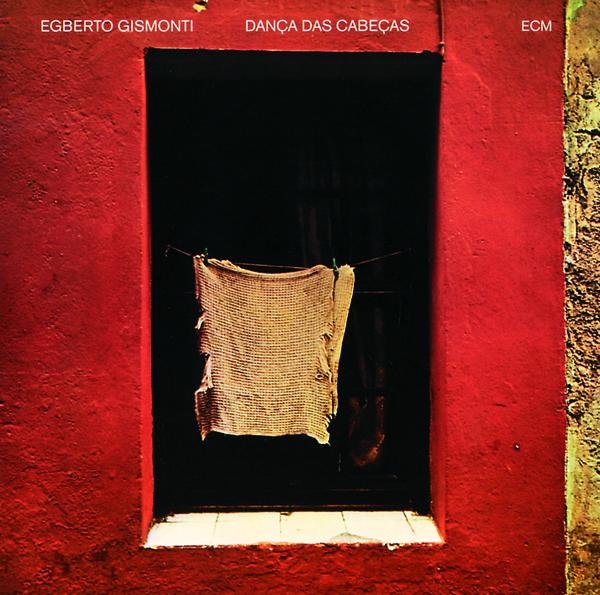
Unpacking Egberto Gismonti-Dança dos Escravos's Dança dos Escravos
Album overview
Released in 1977, "Dança dos Escravos" is a significant album by Brazilian composer and multi-instrumentalist Egberto Gismonti. The album was published under the ECM label, known for its focus on jazz and contemporary music. Gismonti, who is celebrated for his fusion of Brazilian folk music with jazz and classical elements, showcases his unique artistic vision throughout this record. The album features a range of instruments, highlighting Gismonti's proficiency on the guitar, piano, and various Brazilian instruments, thus creating a rich tapestry of sound.
The album consists of several tracks that delve into themes of cultural identity and historical reflection, particularly focusing on the legacy of slavery in Brazil. Collaborators on this album include renowned musicians such as Naná Vasconcelos, who contributes on percussion and vocals, enhancing the album's rhythmic complexity. "Dança dos Escravos" stands out for its innovative compositions and is often regarded as a pivotal work in Gismonti's discography, illustrating a seamless blend of genres and styles. The album has garnered critical acclaim for its evocative melodies and intricate arrangements, making it a vital piece in understanding the evolution of Brazilian music in the context of the global jazz scene.
Review
The sound of "Dança dos Escravos" is both mesmerizing and intricate, showcasing Gismonti's exceptional skill as a composer and performer. Each track invites listeners into a world where traditional Brazilian sounds meet avant-garde jazz, creating a unique auditory experience. The album does not rely on lyrics to convey emotion, instead, it uses instrumental storytelling, allowing the music to speak for itself.
The artistic vision behind this album is particularly noteworthy, as Gismonti explores themes of cultural heritage and the impact of history on contemporary society. The album's title track, "Dança dos Escravos," is a poignant reflection on the struggles and resilience of enslaved people, portrayed through rhythmic patterns that mimic traditional dance forms. The instrumentation is rich and varied, with Gismonti’s guitar work often serving as the centerpiece, supported by the dynamic percussion of Vasconcelos, which propels the musical narrative forward.
In essence, "Dança dos Escravos" is not merely an album, it is an artistic statement that transcends time, inviting listeners to engage with Brazil's complex history while enjoying the beauty of its musical traditions.
Highlights
- Innovative fusion of Brazilian folk, jazz, and classical music.
- Rich instrumentation showcasing Gismonti's multi-instrumental talents.
- Emotional depth and historical resonance in compositions.
Weak points
- Some tracks may feel lengthy and complex for casual listeners.
- Lack of lyrics may make it less accessible to those preferring vocal music.
- Limited mainstream recognition despite critical acclaim.
Overall evaluation
"Dança dos Escravos" is a profound exploration of cultural identity through music, skillfully blending various genres and styles. Its intricate compositions and emotional depth make it a must-listen for anyone interested in the intersection of tradition and innovation in music. The album stands as a testament to Egberto Gismonti's artistic vision and his contribution to the global music landscape.
Personal rating: 9/10 ``` 2000Sanfona
 1981Folk Songs
 1980Circense
 1979Magico
 1978Sol do Meio Dia
 1977Carmo
 1970Sonho 70
 1969Egberto Gismonti