
One week with Couldn’t Have Said It Better: thoughts on Meat Loaf
Couldn’t Have Said It Better- Album Overview
"Couldn’t Have Said It Better" is the sixth studio album by American rock icon Meat Loaf, released on September 23, 2003, under the Epic Records label. The album marks a significant return for Meat Loaf, following a hiatus that saw him focus on other projects. Co-produced by Meat Loaf and his longtime collaborator Jim Steinman, the album features a mix of rock, pop, and theatrical elements that define Meat Loaf's signature sound.
The album includes contributions from various artists and songwriters, with notable tracks like "It's All Coming Back to Me Now" and "Couldn't Have Said It Better." Although not as commercially successful as his earlier works, the album still showcases Meat Loaf's powerful vocals and dramatic storytelling style. The songwriting reflects themes of love, loss, and the passage of time, encapsulated in tracks that range from the anthemic to the introspective.
"Couldn't Have Said It Better" features guest performances from notable musicians, including the legendary guitarist Steve Vai. The album's production captures the grandiosity and emotional depth that fans have come to expect from Meat Loaf. The lead single, "Couldn't Have Said It Better," received moderate radio play, while the album as a whole received mixed reviews from critics upon release. Despite its reception, the album serves as a testament to Meat Loaf's enduring legacy in rock music.
Review
The sound of "Couldn’t Have Said It Better" is quintessential Meat Loaf, merging operatic rock with heartfelt balladry. The production is lush, featuring soaring instrumentals that complement Meat Loaf’s larger-than-life vocal delivery. However, the album also reveals a more mature side of the artist, with lyrics that delve into personal reflections and the complexities of relationships. While some tracks embrace the bombastic style fans adore, others take a more subdued approach, showcasing a different emotional landscape.
Musically, the album continues to explore the theatricality that has defined Meat Loaf’s career, though some critics argue that it lacks the same spark as earlier works. The arrangements are grand but can sometimes feel overproduced, potentially alienating listeners who prefer a rawer sound. Nevertheless, the lyrical content remains poignant, with themes that resonate deeply, making it a relatable listen for many. Overall, the album reflects Meat Loaf's evolution as an artist while staying true to the dramatic flair that has made him a legend.
Highlights
- Powerful vocal performance by Meat Loaf, showcasing his range and emotional depth.
- Rich and theatrical production, characteristic of Meat Loaf’s previous successes.
- Thought-provoking lyrics that explore the complexities of love and life.
Weak points
- Some tracks may feel overly produced, lacking the raw energy of earlier albums.
- Mixed critical reception, with some reviewers feeling it doesn't live up to the iconic "Bat Out of Hell" series.
- The album may not resonate as strongly with newer listeners unfamiliar with Meat Loaf's style.
Overall evaluation
"Couldn’t Have Said It Better" stands as a testament to Meat Loaf's resilience and artistic vision, reflecting both his legacy and growth. While it may not capture the same magic as his earlier works, it still offers solid tracks and impressive performances that will satisfy dedicated fans.
Personal rating: 7/10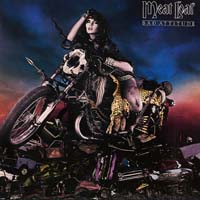 1984Bad Attitude
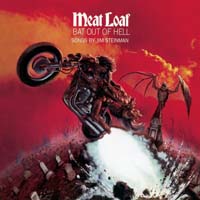 1977Bat Out of Hell