
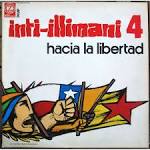
The evolution of Inti Illimani in Canción Para Matar Una Culebra
Canción Para Matar Una Culebra- Album Overview
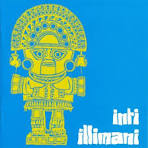
"Canción Para Matar Una Culebra" is a significant album by the Chilean folk music group Inti Illimani, released in 1973. This album marked a notable moment in the group's evolution, showcasing their ability to blend traditional Latin American music with contemporary influences. The band, known for its rich instrumentation and vocal harmonies, includes members such as Horacio Salinas, Max Berrú, and José Miguel Candela, who contributed to the album's distinct sound.
Recorded during a politically charged period in Chile, the album reflects the cultural and social struggles of the time. It was released under the label DICAP and features a collection of songs that address themes of love, resistance, and identity. Notable tracks include "La Partida" and "Canto a la Libertad," which resonate with listeners due to their poignant lyrics and melodic complexity.
The production of "Canción Para Matar Una Culebra" showcases the band's commitment to authenticity, utilizing traditional instruments like charango, guitar, and bombo. Collaborations with various Chilean artists and folk musicians enriched the album's texture, allowing Inti Illimani to push the boundaries of their sound. The album was pivotal for the Nueva Canción Chilena movement, which sought to incorporate social and political themes into folk music, making it a cultural landmark.
As a result, "Canción Para Matar Una Culebra" not only solidified Inti Illimani's place in the world of Latin American music but also served as a powerful vehicle for cultural expression during a turbulent time in Chile's history. The album has since been recognized for its artistic and historical significance, continuing to inspire new generations of musicians and activists alike.
Review
"Canción Para Matar Una Culebra" is a compelling exploration of sound and sentiment, marked by Inti Illimani's signature fusion of folk traditions and contemporary issues. The album's instrumentation is rich and varied, with each track offering a unique auditory experience. The blend of woodwinds, strings, and percussion creates an immersive atmosphere that is both nostalgic and invigorating.
Lyrically, the songs are imbued with a sense of urgency and poignancy, reflecting the socio-political landscape of 1970s Chile. The lyrics often touch on themes of love and liberation, resonating with listeners on both personal and collective levels. Inti Illimani's artistic vision shines through in their ability to convey deep emotion while maintaining a commitment to cultural authenticity.
Overall, the album stands as a testament to the band's evolution, showcasing their growth as musicians and their dedication to addressing pertinent social issues through their art. The seamless integration of traditional folk elements with contemporary concerns makes "Canción Para Matar Una Culebra" a noteworthy entry in Inti Illimani's discography and a critical piece of Chilean musical history.
Highlights
- Rich instrumentation that blends traditional and contemporary sounds.
- Poignant lyrics addressing social and political themes.
- Strong cultural significance as part of the Nueva Canción Chilena movement.
Weak points
- Some tracks may feel less accessible to listeners unfamiliar with folk music.
- The production may show signs of its era, which could detract from modern listeners.
- Not all songs achieve the same level of emotional impact, leading to some inconsistency.
Overall evaluation
"Canción Para Matar Una Culebra" remains a powerful statement in the realm of folk music, showcasing Inti Illimani's artistic evolution and cultural relevance. Its blend of rich sounds and meaningful lyrics continues to resonate with audiences today.
Personal rating: 8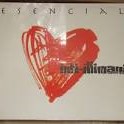 2006Esencial
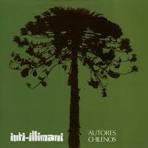 1971Autores Chilenos
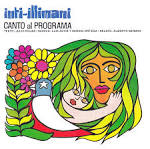 1969Si Somos Americanos
 1969Inti Illimani