ALBUM NOTESUnpacking Mary Wells's Bye, Bye Baby, I Don't Want To Take A Chance
Bye, Bye Baby, I Don't Want To Take A Chance- Album Overview
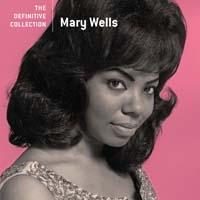
Mary Wells's album "Bye, Bye Baby, I Don't Want To Take A Chance" was released in 1964 and became a hallmark of the Motown sound, showcasing the label's early forays into the pop and rhythm and blues genres. The album, released under the Motown Records label, features a blend of soulful melodies and catchy hooks, a signature characteristic of the era. It includes the hit single "Bye Bye Baby," which reached number 1 on the Billboard Hot 100 chart, solidifying Wells's status as the first female star of Motown.
The album was produced by the legendary Smokey Robinson, who played a pivotal role in shaping the Motown sound during the 1960s. The recording sessions took place at the Hitsville U.S.A. studio in Detroit, where many Motown classics were born. Collaborators on the album include prominent musicians and songwriters, making it a quintessential representation of the Motown aesthetic.
The cultural significance of "Bye, Bye Baby, I Don't Want To Take A Chance" lies not only in its commercial success but also in its reflection of the changing musical landscape of the time. The album's themes of love, heartbreak, and resilience resonated with a wide audience, marking a shift in how female artists were represented in popular music. Wells's heartfelt delivery and the sophisticated arrangements helped pave the way for future female artists in the genre, making her an enduring figure in music history.
Review
The album opens with the vibrant title track, "Bye Bye Baby," where Wells's smooth, emotive vocals take center stage. The production is polished, characterized by a lush orchestral arrangement that complements her voice beautifully. The lyrics convey a sense of vulnerability and strength, encapsulating the duality of romantic relationships. As a whole, the album features a mix of upbeat tracks and ballads that showcase Wells's versatility as an artist.
The songwriting on the album is sharp and engaging, with each track telling a different story about love and loss. Wells's ability to convey deep emotions through her performance adds a layer of authenticity to the songs. However, while the album is undoubtedly a product of its time, some tracks may feel formulaic by today's standards, reflecting the commercial pressures of the era.
Overall, Mary Wells's "Bye, Bye Baby, I Don't Want To Take A Chance" is a significant piece of musical history that represents the golden age of Motown while highlighting Wells's individual artistry.
Highlights
- Powerful and emotive vocal performances by Mary Wells.
- Catchy melodies that have stood the test of time.
- Strong production values that exemplify the Motown sound.
Weak points
- Some tracks may feel formulaic and lack distinctiveness.
- Occasional overproduction that can overshadow vocal talent.
- Lyrical themes may seem repetitive across the album.
Overall evaluation
"Bye, Bye Baby, I Don't Want To Take A Chance" is a classic Motown album that captures the essence of its time while showcasing Mary Wells's undeniable talent. It offers a blend of catchy pop and soulful ballads, making it a must-listen for fans of the genre.
Personal rating: 8/10