

Blackwater Park / Deliverance by Opeth: expectations vs reality
Blackwater Park / Deliverance- Album Overview
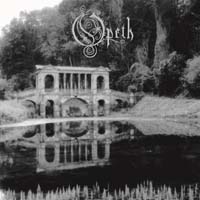
Released in 2001, "Blackwater Park" marked a pivotal moment for Swedish progressive metal band Opeth. It was the fifth studio album, released under the Peaceville Records label and produced by the legendary Steven Wilson of Porcupine Tree fame. The recording sessions took place at the Svenska GrammofonStudion in Gothenburg, Sweden, where the band sought to achieve a more polished sound while maintaining their signature heavy and atmospheric elements. "Blackwater Park" features a blend of death metal, progressive rock, and folk influences, showcasing the band's versatility and ambition. The album includes memorable tracks such as "The Leper Affinity," "Bleak," and the epic title track "Blackwater Park." The album's cover art, created by Travis Smith, complements the music's dark and moody aesthetic, which helped solidify Opeth's identity in the metal scene. The album was met with critical acclaim and is often regarded as one of the greatest metal albums of all time. It played a significant role in bringing progressive metal to a broader audience and influenced countless bands in the genre. Following this, "Deliverance," released in 2002, continued to explore complex themes and showcased even more intricate arrangements. It featured tracks like "Wreath" and "Deliverance," which emphasize the band's signature blend of heavy and soft dynamics. Together, these albums represent a high point in Opeth's career, illustrating their artistic evolution and lasting impact on metal music.
Review
The sound on "Blackwater Park" is a rich tapestry of heavy riffs, melodic interludes, and intricate time signatures, all tied together by Mikael Åkerfeldt's hauntingly versatile vocals. The album transitions seamlessly between brutal death metal growls and soft, clean singing, creating an emotional depth that resonates with listeners. Lyrically, Åkerfeldt delves into themes of nature, loss, and introspection, crafting a narrative that invites deep reflection. The artistic vision is clear: Opeth sought to challenge the conventions of metal while remaining true to their roots. The production quality, thanks to Wilson’s expertise, elevates the music further, allowing each instrument to shine. "Deliverance," while sharing a similar sound palette, leans heavier into the progressive elements with longer song structures and more complex arrangements. This album is notably darker and more aggressive, showcasing Opeth's ability to evolve without losing their essence. The lyrics remain introspective yet delve into darker territories, exploring themes of despair and isolation. Overall, both albums exemplify Opeth's dedication to pushing the boundaries of metal, making them essential listening for fans and newcomers alike.
Highlights
- Masterful production by Steven Wilson enhances the album's sonic depth.
- A perfect balance of heavy and melodic elements that showcases the band's versatility.
- Thought-provoking lyrics that invite listeners to engage with the music on a deeper level.
Weak points
- The lengthy song structures may not appeal to all listeners.
- Some may find the transition between heavy and soft passages jarring.
- Not all tracks may resonate equally, leading to varied listener experiences.
Overall evaluation
"Blackwater Park" and "Deliverance" together solidify Opeth's status as pioneers in the progressive metal genre. Both albums are rich in musicality, depth, and emotional resonance, making them timeless classics. They invite listeners on an immersive journey through sound and emotion, showcasing a band at the height of their creative powers.
Personal rating: 9/10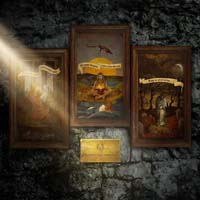 2014Pale Communion
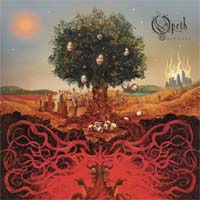 2011Heritage
 2008Watershed
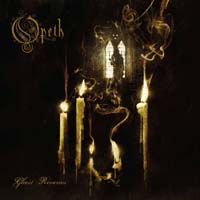 2005Ghost Reveries
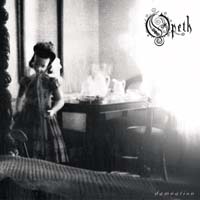 2003Damnation
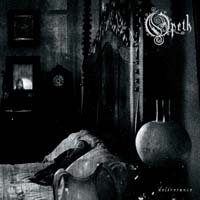 2002Deliverance
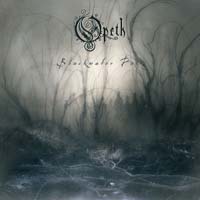 2001Blackwater Park
 1999Still Life
 1998My Arms, Your Hearse
 1996Morningrise
 1995Orchid