ALBUM NOTESApocalypse 91… The Enemy Strikes Black by Public Enemy: expectations vs reality
Apocalypse 91… The Enemy Strikes Black- Album Overview
Public Enemy's fourth studio album, "Apocalypse 91… The Enemy Strikes Black," was released on October 1, 1991, through Def Jam Recordings. The album was produced by the group’s iconic production team, The Bomb Squad, known for their innovative use of sampling and sound collage techniques. This release came at a pivotal moment in the hip-hop genre, as Public Enemy was already established as a powerful voice in political and cultural commentary. The album features collaborations with artists such as Ice-T and a variety of guest musicians who contribute to its rich tapestry of sound.
"Apocalypse 91" showcases a mix of hip-hop, funk, and rock elements, a signature style for Public Enemy that fuses aggressive beats with socially conscious lyrics. The album includes notable tracks like “Can’t Truss It,” which samples Bob Marley’s “Buffalo Soldier,” and “Shut Em Down,” both of which reflect the group’s commitment to addressing issues of race, inequality, and systemic oppression. The lead single, “Night of the Living Baseheads,” illustrates the dangers of drug addiction, encapsulating the urgency of the message Public Enemy sought to convey. Upon its release, the album received critical acclaim, solidifying Public Enemy's status as one of the most influential groups in hip-hop history. The album's cover art, featuring a striking image of a black-and-white flag, further emphasizes its militant aesthetic and political message, marking it as a cultural artifact of the early '90s.
Review
"Apocalypse 91… The Enemy Strikes Black" is a powerful statement that balances hard-hitting beats with incisive commentary on social issues. The production, helmed by The Bomb Squad, is characterized by its layered sampling, creating a dense sound that is both innovative and confrontational. Tracks such as “Can’t Truss It” exemplify this approach, blending urgent rhythms with a call to action that resonates throughout the album.
Lyrically, the album is a masterclass in political rap. Chuck D’s commanding voice delivers verses that challenge listeners to confront uncomfortable truths about race and society. The lyrics are not only provocative but also deeply rooted in the cultural zeitgeist of the time, reflecting the struggles of the African American community in a way that is both relatable and urgent. However, there is a certain rawness to the album that may overwhelm some listeners who are accustomed to the more polished sounds of contemporary hip-hop.
Overall, "Apocalypse 91" stands as a testament to Public Enemy’s artistic vision — a sonic assault paired with a relentless critique of societal issues, making it a significant and enduring piece of music history.
Highlights
- The innovative production style that combines multiple genres seamlessly.
- Strong lyrical themes that address social justice and inequality.
- The album's cultural impact, solidifying Public Enemy's status in hip-hop history.
Weak points
- Some tracks may feel overwhelming due to their dense layering and aggressive beats.
- The raw sound might not appeal to listeners who prefer mainstream hip-hop production.
- Occasional lyrical heaviness may overshadow musical enjoyment for casual listeners.
Overall evaluation
"Apocalypse 91… The Enemy Strikes Black" is an essential work that showcases Public Enemy's fearless engagement with critical social issues. While its intensity might not cater to every musical palate, its significance in the hip-hop landscape cannot be overstated.
Personal rating: 8/10


 2012The Evil Empire of Everything
 1988It Takes a Nation of Millions to Hold Us Back
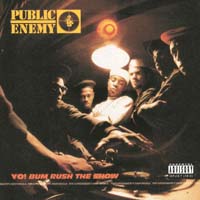 1987Yo! Bum Rush the Show