ALBUM NOTESA closer look at Augustus Pablo's album Africa Must Be Free By 1983 / Africa Dub
Africa Must Be Free By 1983 / Africa Dub- Album Overview
Augustus Pablo's album "Africa Must Be Free By 1983 / Africa Dub," released in 1979, stands as a significant marker in the landscape of reggae and dub music. Released via the Rockers label, this album showcases Pablo's innovative approach to music, particularly his mastery of the melodica, an instrument that would become synonymous with his sound. The recording sessions took place primarily at King Tubby’s studio in Jamaica, where Pablo collaborated with influential artists and producers, including King Tubby himself and various members of the Roots Radics band.
The album features a blend of heavy basslines, echoing rhythms, and intricate melodica melodies that create a meditative yet engaging listening experience. Tracks such as "Africa Must Be Free" and "Dub" highlight Pablo's commitment to themes of liberation and cultural identity, reflecting the socio-political climate of the time. The album’s dual nature—offering both vocal tracks and their dub counterparts—illustrates the seamless interplay between traditional reggae and experimental sound engineering.
"Africa Must Be Free By 1983 / Africa Dub" was not just an album but a message, with Pablo emphasizing the need for African decolonization and unity. This project has since been recognized as a cornerstone in the evolution of dub music, influencing countless artists across genres. The singles released from the album, particularly "King Tubby Meets the Rockers Uptown," further cemented Pablo's reputation as a pioneer of reggae and dub, making this album a must-listen for any music enthusiast seeking to understand the roots of modern sound.
Review
"Africa Must Be Free By 1983 / Africa Dub" is a profound exploration of sound that resonates with both the heart and the mind. The album's instrumentation is striking, with Pablo's melodica weaving through each track, creating a hauntingly beautiful atmosphere that is both reflective and uplifting. The use of echo and reverb in the dub tracks enhances the listening experience, pulling the listener into a deep sonic space where rhythms and melodies intertwine seamlessly.
The lyrical content delivers a strong message of empowerment and cultural pride, reflecting the struggles and aspirations of the African diaspora during the late 1970s. Pablo’s artistic vision is clear; he seeks not only to entertain but to inspire a sense of awareness and change. The combination of social commentary and infectious grooves makes this album a significant work that transcends its era, remaining relevant today.
Overall, the album exemplifies the innovative spirit of reggae and dub, pushing boundaries while staying true to its roots. Augustus Pablo's unique sound continues to inspire new generations of musicians, making "Africa Must Be Free By 1983 / Africa Dub" an essential chapter in the history of Jamaican music.
Highlights
- Innovative use of the melodica, creating a signature sound.
- Powerful themes of liberation and cultural identity.
- Seamless blend of vocal tracks and experimental dub mixes.
Weak points
- Some may find the experimental nature of dub tracks less accessible.
- The album's production quality may seem dated to some modern listeners.
- Limited commercial appeal compared to more mainstream reggae artists.
Overall evaluation
"Africa Must Be Free By 1983 / Africa Dub" is a landmark album that showcases Augustus Pablo's genius in blending social messages with captivating soundscapes. It remains a vital piece of musical history and a source of inspiration for artists and listeners alike.
Personal rating: 9/10


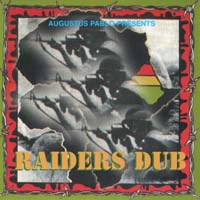 2007Raiders Dub
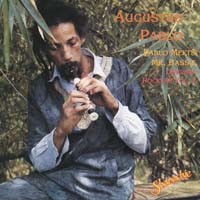 2007Original Rockers Vol.2
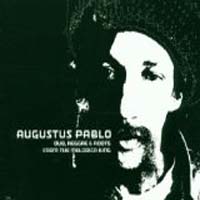 2000Dub Reggae and Roots From the Melodica King
 1999Valley of Jehosaphat
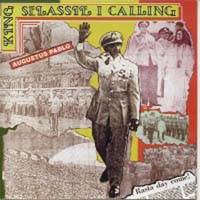 1996King Selassie I Calling
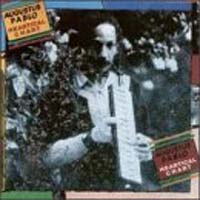 1994Heartical Chart
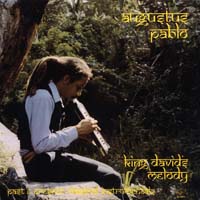 1993King David's Melody
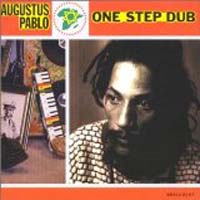 1991One Step Dub
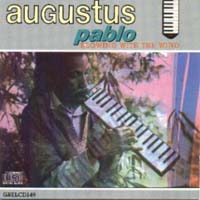 1990Blowing With the Wind
 1988Eastman Dub
 1987Rockers Come East
 1987Original Rockers
 1987East of the River Nile
 1986Rising Sun
 1982Earth's Rightful Ruler
 1980Rockers Meets King Tubbys in a Fire House
 1980Authentic Golden Melodies
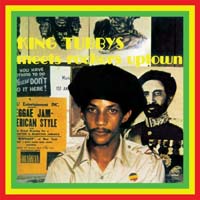 1976King Tubbys Meets Rockers Uptown
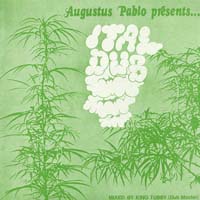 1974Ital Dub
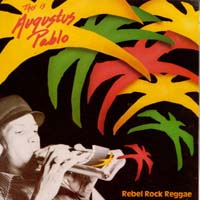 1973This Is Augustus Pablo
 0The Red Sea