
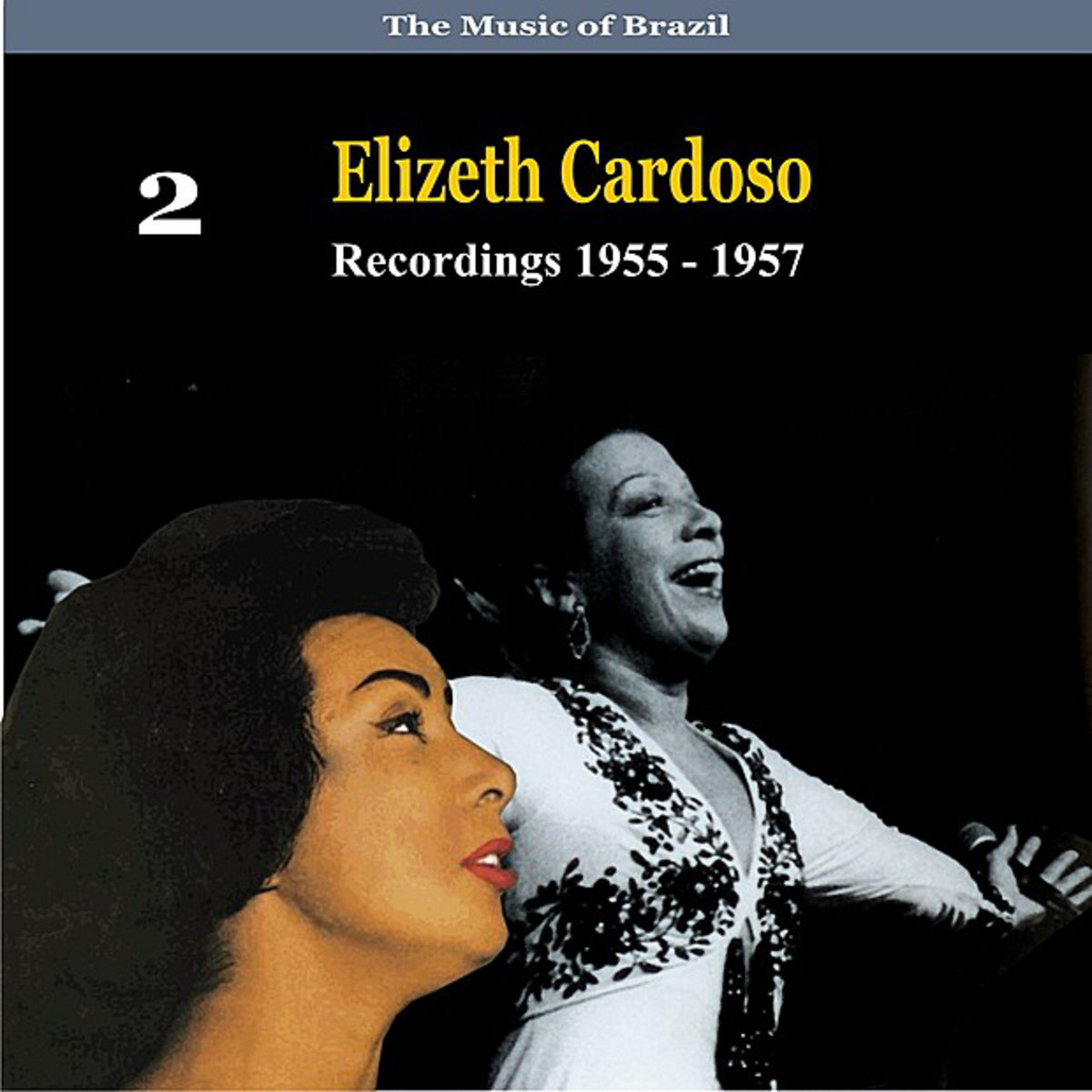
Elizeth Cardoso raises the bar with A Meiga Elizete Nº 3
A Meiga Elizete Nº 3- Album Overview
"A Meiga Elizete Nº 3," released in 1967, stands as a hallmark in the career of Brazilian singer Elizeth Cardoso, a pivotal figure in the bossa nova and MPB (Música Popular Brasileira) movements. This album was produced under the prestigious label Copacabana Records, which played a significant role in promoting Brazilian music during the 1960s. Elizeth, known for her unique voice and emotive delivery, collaborated with several talented musicians and composers, including the likes of Tom Jobim and Vinicius de Moraes, who were instrumental in shaping the soundscape of the era. The album features a rich blend of samba and bossa nova, showcasing Cardoso's versatility and her ability to convey deep emotions through music. Notable tracks include "O Mundo é um Moinho," which highlights her soulful interpretations, and "Aquarela do Brasil," a vibrant homage to the Brazilian landscape. The production quality is noteworthy, with lush arrangements that enhance Elizeth’s vocal prowess. Throughout the album, listeners can appreciate the intricate guitar work and orchestration that complement her singing. "A Meiga Elizete Nº 3" is significant not only for its musical content but also for its cultural context, representing a time when Brazilian music was gaining international acclaim. Elizeth's work on this album helped to elevate the status of female vocalists in a predominantly male industry, marking her as a trailblazer in Brazilian music history.
Review
The sound of "A Meiga Elizete Nº 3" is a testament to Elizeth Cardoso’s artistic vision, merging traditional Brazilian rhythms with sophisticated melodies. Her voice, both warm and powerful, effortlessly navigates complex emotional landscapes, drawing listeners into her world. The lyrical content of the album reflects themes of love, longing, and the beauty of Brazil, often employing rich imagery that resonates deeply with the audience. Cardoso’s interpretative skills shine through in every track, with her ability to inject personal feelings into the music. The production features a well-crafted blend of instrumentation, with strings and percussion complementing her voice beautifully. Despite the occasional predictability of the arrangements, the overall execution remains top-notch, making each song a captivating experience. The album does not shy away from exploring the nuances of Brazilian culture, making it a significant contribution to the genre.
Highlights
- Elizeth Cardoso's powerful and emotive vocal delivery.
- A rich blend of samba and bossa nova that showcases Brazilian musical heritage.
- Expertly produced arrangements that complement and elevate the vocal performances.
Weak points
- Some tracks may feel a bit formulaic in their construction.
- Occasional over-reliance on orchestration that may overshadow the vocals.
- Lack of groundbreaking experimentation compared to contemporaneous works.
Overall evaluation
"A Meiga Elizete Nº 3" is a significant album that captures the essence of Elizeth Cardoso as a pioneering artist in Brazilian music. While it has its shortcomings, the overall impact of the album is profound, showcasing her remarkable talent and the vibrant culture of Brazil during the 1960s.
Personal rating: 8/10