ALBUM NOTESUnpacking Panic! at the Disco's A Fever You Can’t Sweat Out
A Fever You Can’t Sweat Out- Album Overview
Panic! at the Disco's debut album, "A Fever You Can’t Sweat Out," was released on September 27, 2005, under Fueled by Ramen. This album marked a significant moment in the pop-punk and emo scene of the early 2000s, blending elements of rock, pop, and electronica. Produced by Matt Squire, the record showcases a diverse range of musical styles and lyrical themes, which resonate with the angst and exuberance of youth.
Recording took place over several months at the renowned Studio 606 in Los Angeles, where the band sought to create a sound that defied genre boundaries. The album features a mix of instruments, including strings and synthesizers, which contribute to its eclectic feel. Collaborators on the album included the band members Ryan Ross, Spencer Smith, Jon Walker, and Brendon Urie, with Ross taking a central role in songwriting.
"A Fever You Can’t Sweat Out" spawned several successful singles, most notably "I Write Sins Not Tragedies," which became a defining anthem of the era. The album's lyrical content often explores themes of love, betrayal, and existential angst, reflecting the complexities of adolescent experience. The album received critical acclaim and commercial success, peaking at number 13 on the Billboard 200 chart and eventually going double platinum.
Culturally, the album has had a lasting influence, paving the way for the subsequent wave of emo and pop-punk bands. Its innovative blend of styles and theatrical presentation has inspired a generation of musicians and fans alike, solidifying Panic! at the Disco's place in music history.
Review
"A Fever You Can’t Sweat Out" is a bold and ambitious debut that captures the frenetic energy of its time. The album's production is slick yet retains a raw edge, allowing the band's youthful exuberance to shine through. Songs like "I Write Sins Not Tragedies" stand out not only for their catchy hooks but also for their clever, narrative-driven lyrics. Ryan Ross's songwriting is a highlight, weaving intricate tales of love and loss, often with a sardonic twist.
Musically, the album oscillates between high-energy tracks and poignant ballads, showcasing the band's versatility. The incorporation of electronic elements alongside traditional rock instrumentation creates a unique sound that sets Panic! at the Disco apart from their contemporaries. However, some critics argue that the album's genre-blending can lead to a disjointed listening experience.
Despite this, the album's artistic vision is commendable; it captures the chaotic spirit of youth while pushing the boundaries of what a debut album can achieve. Panic! at the Disco's theatricality is evident throughout, with grand choruses and dramatic flair that elevate the listening experience.
Highlights
- Innovative blend of genres, combining rock, pop, and electronica.
- Strong lyrical narratives that resonate with themes of youth and disillusionment.
- Catchy and memorable singles that defined a generation.
Weak points
- Occasional disjointedness in the flow of the album.
- Some tracks might feel overly theatrical or grandiose for certain listeners.
- The production may overshadow raw emotionality in some songs.
Overall evaluation
"A Fever You Can’t Sweat Out" is a landmark album that encapsulates the spirit of the mid-2000s music scene. Its innovative sound and compelling narratives make it a must-listen for fans of pop-punk and emo. While it has its flaws, the album's impact and significance cannot be understated.
Personal rating: 8/10


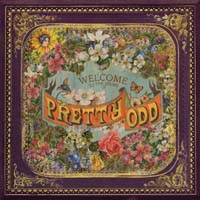 2008Pretty. Odd.