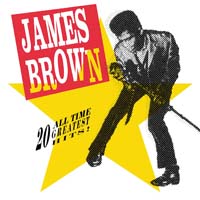
When you think of James Brown, it's difficult to find something bad to say about the Godfather of Soul. From his unique grooves and distinct sound, to his signature look, he was an undeniable force in the music industry. Despite all this greatness however, there are certainly some critics who aren't always positive about his music or legacy - but if anything we can learn just as much from their critiques as we can from his numerous successes. In this blog post we’ll be covering both sides of extremely talented artist: what stands out as particularly great about him - why many consider him a major icon in R&B and soul- while also addressing any criticism that has ever been placed on him or on his performance style over the years.
James Brown, the Godfather of Soul, has had an undeniable impact on the music industry. From his unique grooves to his signature look, he was a force to be reckoned with during his time. However, like any other legend, Brown was not immune to criticism. In this blog post, we are going to dive into the criticisms placed upon him, while also exploring the strengths that made him a R&B and soul icon. Whether you are a diehard fan or a casual listener, understanding both sides can help you appreciate his music even more.
Let's start by addressing some of the criticisms that James Brown faced during his career. One of the most contentious issues was his reputation as a notorious control freak. His ability to micromanage his music extended into his life outside of the studio. He was known to be hard on his band members and employees, and some even accused him of being verbally and physically abusive. While this is never acceptable behavior, it's important to note that Brown grew up in a difficult environment. Poverty and segregation were rampant during his childhood, and it is possible that this played a role in his behavior as an adult.
Another criticism of Brown's was that he perpetuated gender stereotypes in his music. Some of his songs objectified women and reinforced traditional gender roles. For example, his song It's a Man's Man's Man's World paints a picture of women as dependent and subordinate to men. While this may have been acceptable during the time he was performing, it's not something that sits well with modern audiences. The good news is that, despite this criticism, Brown also wrote many songs that empowered women and encouraged them to take control of their lives.
Despite the criticisms, James Brown's music had a significant impact on R&B and soul for several reasons. For starters, he had a unique sound that was unlike anything else happening in music at the time. His grooves were funky and tight, and his use of horns and percussion created a distinct rhythm that was hard to replicate. Additionally, he was a showman on stage. Nobody could move like James Brown, and his energy and charisma were infectious. He created a live music experience that was unmatched by anyone else at the time.
Another reason that Brown's legacy endures is that he was an advocate for civil rights. He used his platform to speak out against racial inequality and demanded that black artists be given the same opportunities as white artists. He even wrote a song called Say It Loud - I'm Black and I'm Proud that became an anthem for the black community. He may have had his faults, but he was also a trailblazer who used his influence to fight for what he believed in.
In summary, James Brown was a complex figure in music history. He faced criticism for his behavior towards others and for some of the themes in his music. However, his unique sound and live performances were groundbreaking, and his advocacy for civil rights made him a leader in his era. It's important to acknowledge both the good and the bad in his legacy, as it allows us to appreciate his music even more. Perhaps the most important takeaway from James Brown's story is that even those who are incredibly talented and successful are not without their flaws. It's up to us to decide how we want to reconcile those flaws with the good they've done.