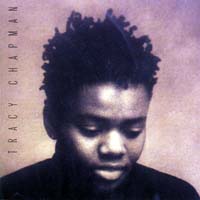
Many have heard of Tracy Chapman but not everyone can truly appreciate her legacy in the music industry. She pioneered a genre of folk rock that is widely respected and appreciated today, yet there has been some criticism from listeners who find her music too simple or monotonous. Despite this criticism, one thing remains certain — no matter where you stand on the sound and style she produces, nobody can deny the power of Tracy Chapman's impact on modern music. In this blog post, we'll be looking at both critiques and praise for Chapman's artistry and discography to get a better sense of how fans feel about her music.
For music lovers, Tracy Chapman needs no introduction. Her music has transcended generations, crossing borders and continents to find an audience that truly understands and resonates with her progressive sound and message. However, despite her immense popularity and respect in musical circles, Chapman has faced her fair share of criticism. Some detractors have accused her of producing simplistic and monotonous music. But is this criticism fair, or does it miss the mark entirely? In this post, we'll explore Tracy Chapman's legacy and artistic style, and try to understand what makes her such a critical figure in the world of folk rock.
Chapman's talent lies in her ability to tell a story through her music. Her artistry is centered around themes of love, politics, and social justice, delivered in a stripped-back, acoustic style that is both intimate and powerful. She has been commended for her ability to connect with the listener, creating an emotional experience that leaves a lasting impression. Critics who accuse her of being too simplistic or dull miss the point entirely. Chapman's music is not about flashy production or ornate arrangements – it's about the message and the feeling behind the music.
One of Chapman's most renowned songs, Fast Car, is a testament to her skill as a storyteller. The lyrics speak to the heart of the American Dream – the idea that hard work and determination can lead to a better life. The song's protagonist dreams of escaping her mundane life by buying a fast car and driving away with her lover. Yet, paradoxically, the lyrics highlight the desperation in her current situation, the harsh reality of poverty and escapelessness. Chapman's lyrical prowess tells a powerful, emotional story that resonates with anyone who has struggled to break free from their circumstances.
Another hallmark of Chapman's music is her socially conscious approach. Her music is an important reminder of the struggles we face when striving for equality and justice. She has written and performed songs about domestic violence, racism, genocide, and economic oppression. This social commentary is especially pertinent today, with many of the same issues playing a significant role in our daily lives. Chapman's music reminds us that while progress has been made in some areas, many of these problems persist, and there is still much work to be done.
Despite all of her success and positive influence, Chapman is not immune to criticism. Some listeners find her music to be repetitive and dull, lacking in production value compared to other popular artists. However, the very qualities that make her music stand out also make it somewhat polarizing. It requires a willingness to listen deeply and appreciate the subtlety of Chapman's songwriting, rather than relying on catchy hooks or catchy choruses.
Tracy Chapman is a musical force to be reckoned with, a pioneer in the world of folk rock, social commentary, and storytelling. Her ability to engage the listener with her raw, unpolished sound is a testament to her musical genius. As we continue to navigate a world full of inequality and social unrest, the message and themes that run through her music are as relevant today as they ever were. While her music may not be for everyone, those who take the time to listen deeply will be rewarded with a rich musical experience from a true master of her craft.