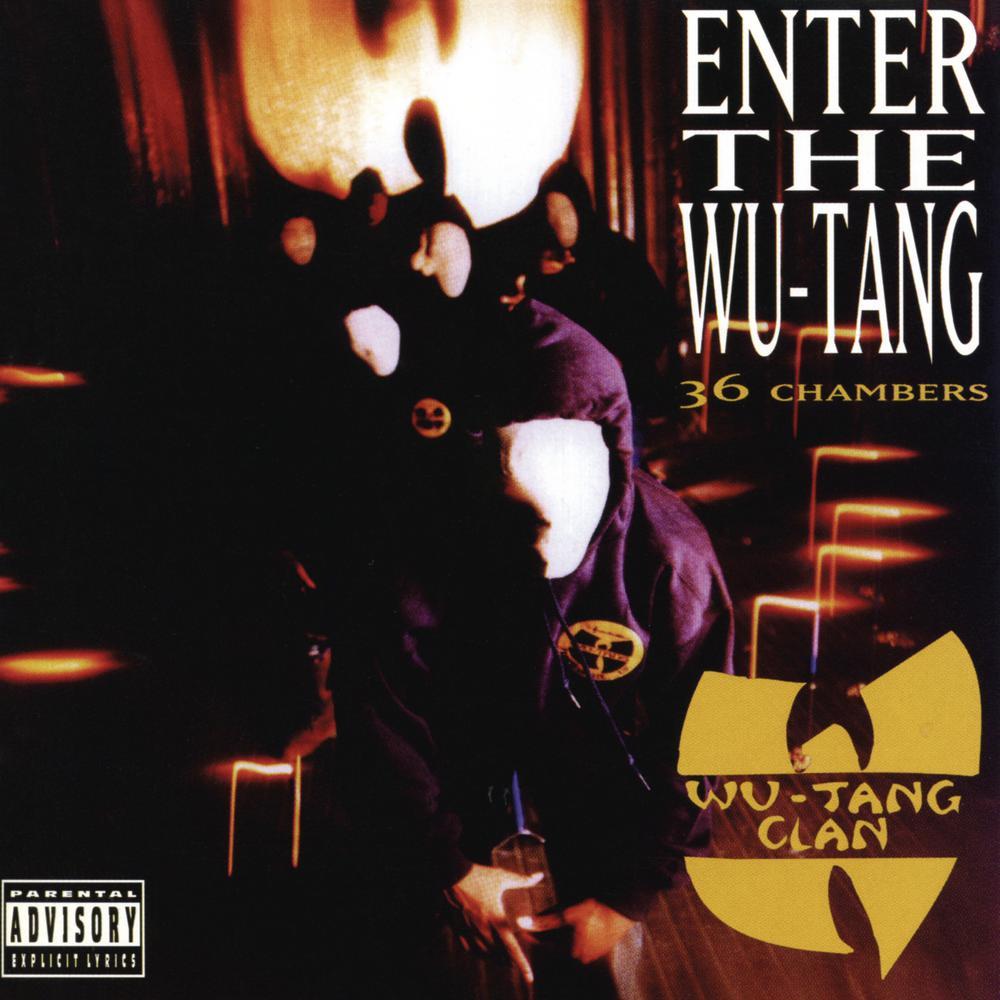
The Wu-Tang Clan have had a long and storied career in the rap game, leaving an indelible mark on the music industry. While their classic hits like Protect Ya Neck, Wu-Tang Clan Ain't Nuthing ta F' Wit and others helped establish them as pioneers of hip hop, some more recent releases by members of the group have come under much criticism from fans who are used to a certain level of quality flowing from this iconic crew. In today's blog post we'll take a look at both sides - something critical and something good - about Wu-Tang Clan's new LP A Better Tomorrow.
Wu-Tang Clan represents the raw essence of hip hop, and their legacy spans over two decades. Their music is known for its gritty beats, distinctive lyrics and socially conscious themes. It's no surprise that fans eagerly awaited the release of A Better Tomorrow, their sixth studio album. However, upon its release in 2014, the album received mixed reviews. In this blog post, we will explore the yin and yang of Wu-Tang Clan's A Better Tomorrow, highlighting both its critical reception and notable standout tracks.
The album's title track, A Better Tomorrow, received praise for its uplifting message and political commentary. The track features various members of the group rapping about issues of social inequality and injustice. Wu-Tang Clan's signature sound is woven throughout the track, with RZA's production providing a haunting melody and Cappadonna's verses adding an edgy vibe. The song stands out as a poignant reminder of the group's social consciousness and its potential to inspire change.
Despite the hype and anticipation surrounding the album's release, A Better Tomorrow fails to deliver a consistent quality throughout. For example, the track Miracle featuring Fashawn and GZA sounds like an average commercial rap song, lacking the depth and complexity that fans have come to expect from Wu-Tang Clan. The track falls short, both lyrically and musically, and ends up being forgettable.
One of the standout tracks on A Better Tomorrow is Ron O'Neal, an ode to the iconic actor who starred in superfly. The track showcases the group's ability to incorporate storytelling and imagery into their music. The verses are filled with references to the blaxploitation era of cinema, a nod to the group's roots in New York City's urban culture. The track is a harkening back to the vintage Wu-Tang sound that initially garnered them legions of fans.
The album's lead single, Keep Watch, was met with lukewarm reception. The track's instrumentals sound like a generic beat, and the verses lack the signature Wu-Tang edge. The song disappoints, as it sounds uninspired, and fails to capture the vibe of some of Wu-Tang's most iconic music. It is a lackluster single that doesn't do justice to the featured artists, nor the group as a whole.
Wu-Tang Clan's A Better Tomorrow is a mixed bag, delivering a combination of highs and lows. While the group's socially conscious and politically charged messages still resonate in today's world, some parts of the album fall short, with uninspired instrumentation, lackluster rhymes, and forgettable tracks. Undeniably, the group's signature sound can still be felt in some of the tracks from the album, and this is a testament to the indelible impact Wu-Tang Clan has had on the rap game. In conclusion, while A Better Tomorrow fails to meet the high bar set by the group's earlier work, it still represents a progression in sound and the ever-evolving nature of hip hop.