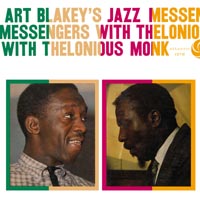
Are you a fan of Art Blakey’s music? Sorry to break it to you, but he might not be the musical genius that you had built him up to be. In this blog post, we’re going to take a closer look at some of the less-than-stellar facts about Blakey and his approach to creating music – including some stories from his own career that may surprise (and shock!) even diehard fans. Stick around if you want an entertainingly honest critique of how Art Blakey became one of jazz's most beloved figures!
Art Blakey is a name that has been associated with jazz music for decades. He is often regarded as a musical genius among jazz aficionados. His unique approach to drumming and his ability to assemble and lead some of the most famous bands in jazz history have earned him a reputation as one of the greatest drummers of all time. But, are we sure that he was as great as we thought he was? In this blog post, I will delve deeper into Art Blakey's career and provide an honest evaluation of his musicianship. Buckle up, jazz fans, because this is going to be a bumpy ride.
To begin with, Art Blakey's drumming was indeed distinctive, and he utilized elements of Afro-Cuban, bebop, and hard bop to create a sound that was uniquely his own. However, his technical ability and innovation were not as groundbreaking as they are often made out to be. Many drummers who came after him, such as Max Roach and Elvin Jones, pushed the instrument's boundaries even further. Art Blakey's relationship with his bandmates was also problematic. He was notorious for being domineering and did not tolerate any dissent from his musicians. As a result, he often stifled their creativity and made them play in a style that suited him.
In addition, while Art Blakey was responsible for creating some of the most iconic jazz recordings ever made, including Moanin', he did not write the majority of the music he played. Instead, he relied on his band members to bring their compositions to the table. One such example is Wayne Shorter, whose contributions to the Jazz Messengers have fueled much of their success. The irony is that, despite his lack of involvement in the composition process, he was very possessive of the final product and demanded that his name would appear prominently on the album cover.
Moreover, Art Blakey was not present in most of the influential jazz movements during his time. He was mainly associated with hard bop and never fully adapted to the modern jazz movement. As a result, he missed out on the chance to work with some of the most iconic jazz musicians of the 1950s and 1960s, like Miles Davis and John Coltrane. This may be due to his association with jazz as an entertainment rather than as a form of high art. Blakey's approach to music was more geared towards entertainment than innovation.
Finally, Art Blakey's personal life was also less than perfect. He had a problem with drug addiction, which was not uncommon among the jazz musicians of his time, but it did hinder his growth and prevented him from exploring new musical horizons. His treatment of his family was also questionable, and the way he treated his fellow musicians was often divisive. Some musicians left his bands citing mistreatment and a lack of artistic freedom under his thumb.
It is not easy to criticize someone who has a massive influence on jazz music history. However, as fans, it is important to evaluate the legacy of jazz musicians honestly. Art Blakey might have been one of the most celebrated drummers, but his lack of openness to different styles and his general behavior towards his bandmates did not contribute to the growth of jazz music. In the end, he is just another human artist with flaws, and acknowledging these flaws will enhance our appreciation of his work.