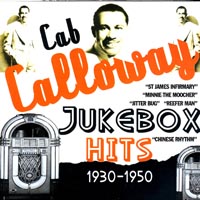
Cab Calloway was one of the most prominent musicians of the 20th century. Born in Rochester, NY in 1907, he rose to fame as a singer and bandleader during the swing era. Calloway's unique style and persona captivated audiences across the world, and his music continues to inspire and entertain music listeners to this day. In this blog, we will take a deep dive into Cab Calloway's life, exploring his early years, his most famous albums and songs, and his musical style and influences.
Early Years
Cab Calloway's journey into music began in his childhood. Growing up in a family of musicians, Calloway was exposed to music at an early age. His mother, Martha Eulalia Reed, was a singer and pianist, and his father, Cabell Calloway Jr, was a lawyer and a singer. As a teenager, Calloway left home to pursue a career in music. He joined a local band, and in 1928, he got his big break when he auditioned for the legendary bandleader, Chick Webb.
Famous Albums
In 1931, Calloway formed his band, the Cab Calloway Orchestra. He went on to release several famous albums, including Minnie the Moocher (1931), The Hi-De-Ho Man (1932), and The Ghost of Smokey Joe (1937). These albums featured Calloway's unique vocal style, which combined scat singing and jive talk. Calloway's band also played a significant role in the development of swing music, which became the dominant form of popular music in the 1930s and 1940s.
Famous Songs
Calloway's signature song is Minnie the Moocher. The song tells the story of a woman who spent all her money on drugs and alcohol. Calloway's scat singing and his performance made the song an instant hit, and it became a staple in his live performances. Other famous songs from Calloway include The Hi-De-Ho Man, St. James Infirmary, and The Ghost of Smokey Joe. Each song showcased Calloway's unique style and his ability to tell a story through music.
Musical Style and Influences
Musical Style and Influences
Calloway's musical style was heavily influenced by jazz and blues. He was also inspired by the black vaudeville circuit, where he honed his skills as an entertainer. In addition to his music, Calloway was also known for his colorful personality and fashion sense. He often wore zoot suits on stage and was a prominent figure in the Harlem Renaissance, a cultural movement that celebrated black artists and creativity.
Cab Calloway's legacy lives on, and his music continues to inspire new generations of musicians and music listeners. His unique style and persona made him one of the most prominent performers of the swing era, and his influence can be heard in the music of today. Calloway's musical biography is a testament to the power of music to transcend time, language, and culture. It reminds us that music is an essential part of the human experience and that the stories we tell through music can unite us all.