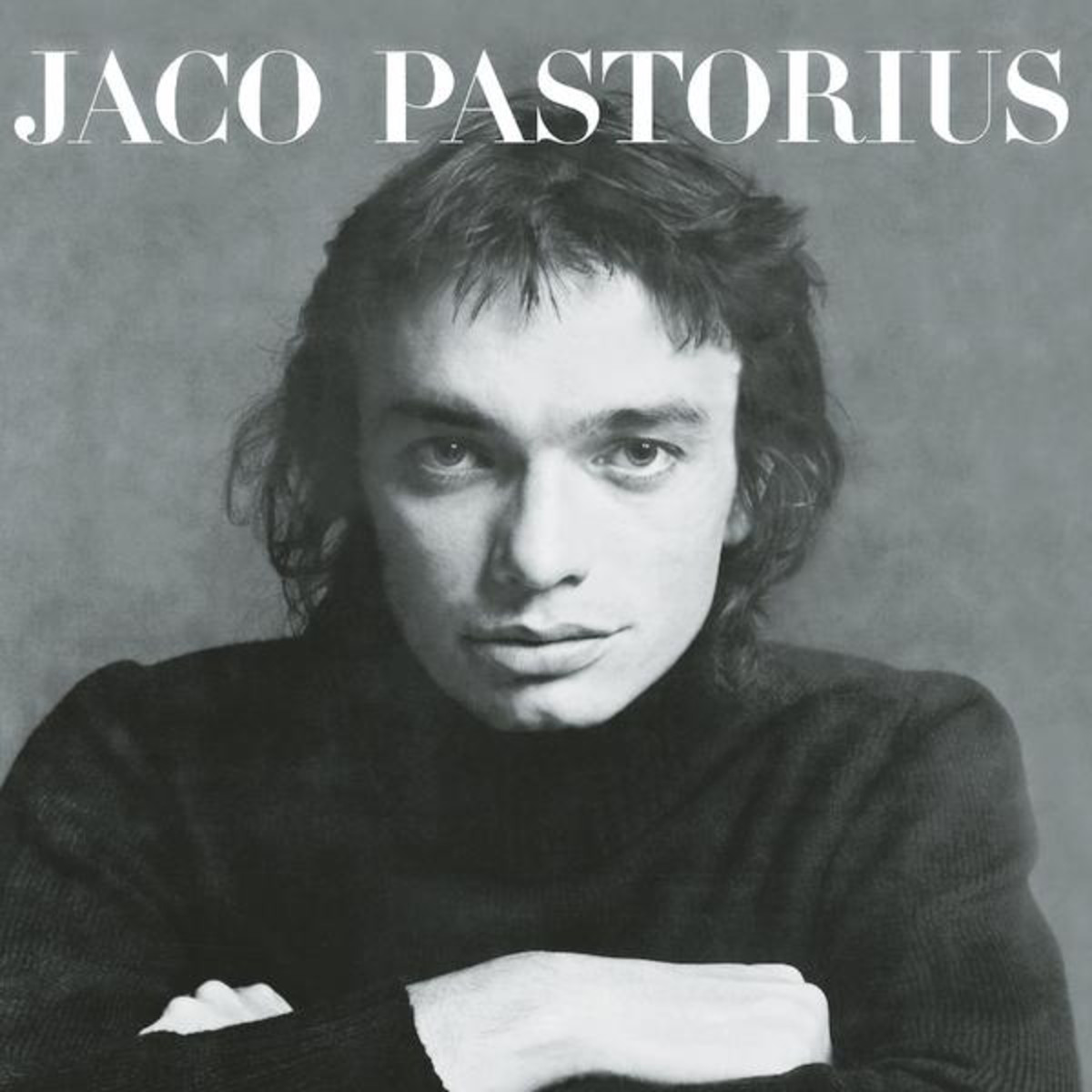
For music listeners who have heard of or know the legendary jazz bassist Jaco Pastorius, there's no denying his immense influence on jazz and other musical genres. From being one of the first to explore fretless playing in jazz to helping popularize electric bass as a solo instrument, he revolutionized an entire wave of modern music. WhileJacos awe-inspiring creativity cannot be overstated enough, he was not without fault as even his biggest fans can admit. In this blog post we will look at both sides—some critiques and some praise—of the genius that is Jaco Pastorious.
Jaco Pastorius is a name that every modern musician or jazz lover has been acquainted with at some point. He revolutionized bass playing in the jazz genre and beyond. With an innovative fretless bass technique and a wider range of melodic ideas, he pushed electric bass into the forefront of modern music. But the life story of this legend is not without its flaws. Despite his awe-inspiring creativity, Jaco struggled with substance abuse, mental illness, and changes in the music industry that impacted his career. So in this blog post, we will explore the two sides of Jaco Pastorius - his critiques and his praise.
Undoubtedly, Jaco Pastorius was one of the greatest jazz innovators of all time, but his creativity was not without its critics. One of the main critiques leveled against him is his tendency towards self-indulgence. In his solos, he often ventured into complicated passages or obscure melodic ideas that would make the casual listener feel left out. Some critics argued that he could have simplified his playing a bit and made it more accessible for everyone to appreciate.
Another criticism that has been leveled against Jaco is his flippant disregard for musical structures. He would often deviate from the chord changes of a particular tune and venture off on his own. While this was seen by many as a sign of his innovative genius, others felt that he didn't respect the tunes he was playing, or that his soloing could be at the expense of the other band members, who were limited by the chord changes from fully expressing themselves.
Notwithstanding these critiques, Jaco's creative contributions to modern music cannot be overstated. Jaco's influence on bass playing is so significant that it's hard to imagine what the modern music landscape would look like without him. His signature sound on bass was a hallmark of countless jazz, rock, and pop recordings throughout his career. His remarkable virtuosity and ability to bring the bass front and center as a solo instrument had a transformative effect on bass playing in the 1970s and beyond.
Jaco's influence extended beyond his technique and tone. In the 1970s, when fusion music reigned supreme in the jazz world, Jaco was seen as the ultimate fusion player, blending elements of jazz, rock, and funk into his music. He helped to create a sound that was both accessible and popular while still being improvisational and challenging. His solo career, which started in the late 1970s, was a testament to his songwriting ability, arranging skills, and creative flair.
In conclusion, Jaco Pastorius was a musical genius who had both flaws and strengths. While some critics pointed out his indulgences and disregard for form, Jaco's contributions to modern music remain significant. Without Jaco, the bass would not be the same instrument that we know and love today. He was a pivotal figure in the development of jazz fusion and electric bass playing. Jaco's music will always have a place in the hearts and minds of music lovers worldwide, and his legacy will continue to inspire future generations of bassists for years to come.