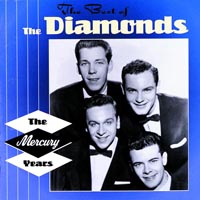
From multicultural roots to international stardom, The Diamonds have been a cornerstone of 1950s rock and roll. This quintet has left a legacy that continues to inspire new generations of musicians, blending several musical genres like R&B, doo-wop, and pop. Join us on our journey through the colorful history of The Diamonds, exploring their beginnings, their most famous albums and songs, and the musical style and influences that shaped their unique sound.
Origins and Early Years: The story of The Diamonds began in Toronto, Canada, in the early 1950s, when a group of high school friends decided to form a vocal quintet. The original line-up starred Dave Somerville, Ted Kowalski, Phil Levitt, Bill Reed, and Cliff Perkins. They started performing at local clubs and radio stations, performing covers of popular R&B and doo-wop hits. Their breakthrough came in 1956, when they signed a contract with Mercury Records and released their debut single, Why Do Fools Fall in Love, a cover of the Frankie Lymon & The Teenagers classic. The song peaked at number twelve on the Billboard Hot 100 and propelled The Diamonds to national fame.
Famous Albums and Songs: Throughout their career, The Diamonds released several hit albums and singles that became classics of the 1950s and 1960s rock and roll scene. Some of their most popular albums were The Diamonds Meet Pete Rugolo (1957), Pop Hits, Volume One (1959), and Diamonds Are Forever (1965). They also recorded memorable covers of other artists' hits, such as Little Richard's The Girl Can't Help It, Fats Domino's Blueberry Hill, and Ritchie Valens' La Bamba. However, The Diamonds' most famous song remains Little Darlin', a doo-wop gem that reached the number two spot on the Hot 100 in 1957 and sold over 20 million copies worldwide.
Musical Style and Influences: The Diamonds' sound blended several music genres, from R&B and doo-wop to pop and rock and roll. They were known for their tight harmonies, high-pitched falsetto leads, and upbeat rhythms that made them perfect for dancing. The Diamonds' musical influences came from artists like The Ink Spots, The Mills Brothers, and Ray Charles. They also incorporated elements of country and western music, Latin rhythms, and jazz. More importantly, The Diamonds represented a bridge between black and white audiences, as they covered songs from both African American and white artists, helping to break down racial barriers in the music industry.
Conclusion: The Diamonds' contribution to the history of rock and roll is undeniable, and their music still resonates with fans worldwide. Their catchy tunes, warm harmonies, and energetic performances made them one of the most beloved vocal groups of the 1950s. They paved the way for other artists to merge different musical styles and cultures, leaving a timeless legacy that we should celebrate and honor. So let's put on our dancing shoes and sing along with The Diamonds to their sparkling journey through the history of music.