In the world of goth rock, The Sisters of Mercy are a name that constantly crops up. From their dark and brooding vocals to their enigmatic and haunting melodies, they remain one of the most enduring bands in the genre to this day. But who are The Sisters of Mercy, and where did they come from? In this blog, we’ll be exploring the musical biography of this iconic band. We’ll take a look at their beginnings, their most famous albums, and their most beloved songs. And, of course, we’ll also take a closer look at the artist, the musical style, and influences that have made The Sisters of Mercy such an enduring presence in the world of goth rock.
The early years of The Sisters of Mercy were marked by a distinct lack of direction. Formed in 1980 in Leeds, UK, by frontman Andrew Eldritch and guitarist Gary Marx, the band went through a few different lineup changes before settling on their current roster. Their early music was heavily influenced by punk rock, with aggressive guitars and snarling vocals. But as the band evolved, they began to incorporate more gothic and post-punk influences into their sound.
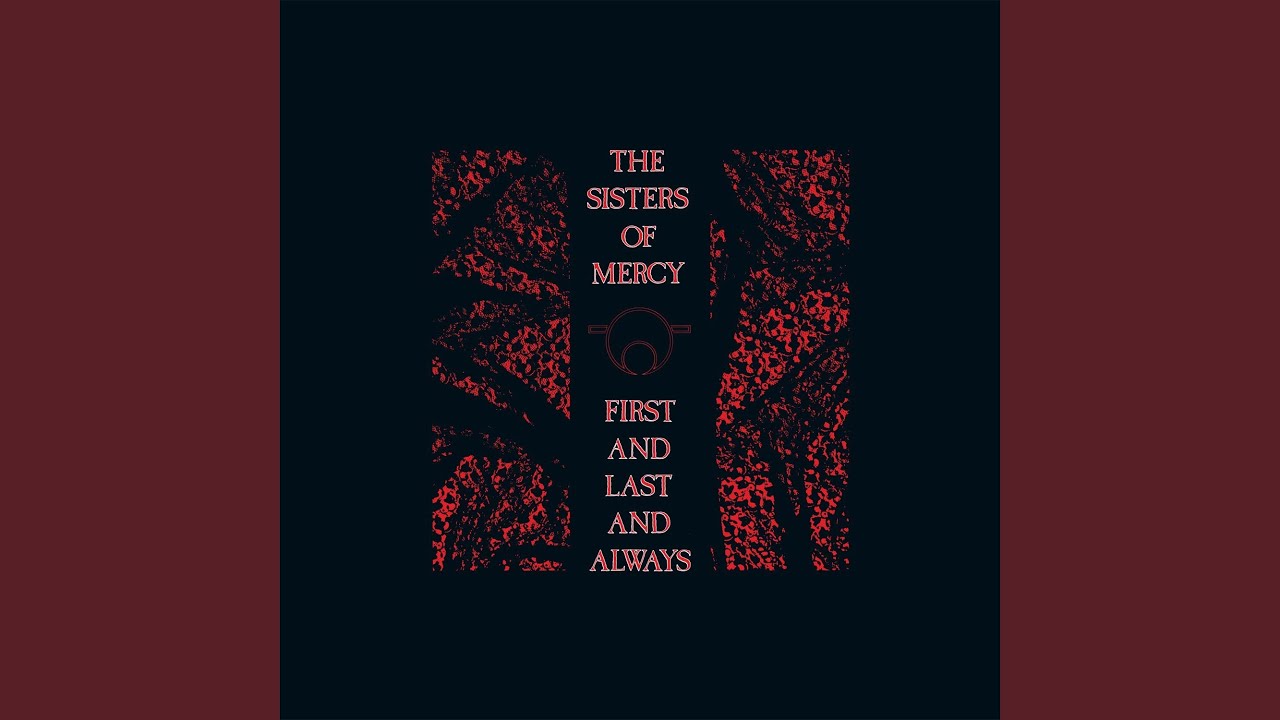
Their debut album, First and Last and Always (1985), was a turning point for the band. Produced by legendary goth rock producer John Fryer, the album showcased their newfound elegance and sophistication. Tracks like Black Planet and Emma became instant classics, capturing the band's unique blend of melancholy and aggression. The album's title track, First and Last and Always, remains one of the band's most beloved songs to this day.
But it was the band's second album, Floodland (1987), that really cemented The Sisters of Mercy's place in goth rock history. The album was a commercial and critical success, reaching the number 9 spot on the UK charts. Songs like This Corrosion and Dominion/Mother Russia showed off the band's theatrical side, while ballads like Flood I and Flood II revealed a more introspective and emotionally vulnerable side.
Over the years, The Sisters of Mercy have continued to release music that has thrilled and excited fans of goth rock. Albums like Vision Thing (1990) and Some Girls Wander By Mistake (1992) showcased the band's continuing evolution, incorporating industrial and electronic influences into their sound. Songs like Lucretia My Reflection and Detonation Boulevard remain fan favorites to this day.
As for the artist behind the music, frontman Andrew Eldritch remains an enigmatic figure. With his deep, resonant voice and cryptic lyrics, he's captivated fans for decades. Eldritch is known for his perfectionism when it comes to performing, demanding the highest level of precision from his bandmates. This attitude has sometimes led to tensions within the band, but it's also been instrumental in creating the tight, polished sound that The Sisters of Mercy are known for.
Musically, The Sisters of Mercy draw from a wide variety of influences. From punk and post-punk to gothic rock and industrial, they've brought together elements from across the musical spectrum to create something truly unique. They're also known for their theatrical live shows, incorporating elaborate lighting and stage effects to create a truly immersive experience for fans.
In conclusion, The Sisters of Mercy are one of the most iconic and enduring bands in the world of goth rock. Their dark and brooding music, enigmatic frontman, and theatrical live shows have captivated fans for decades. From their humble beginnings in Leeds to their current status as legends of the genre, The Sisters of Mercy continue to inspire new generations of music listeners with their unique sound and style. Whether you're a diehard fan or a newcomer to the world of goth rock, there's something truly special about this band that's sure to leave an indelible impression.