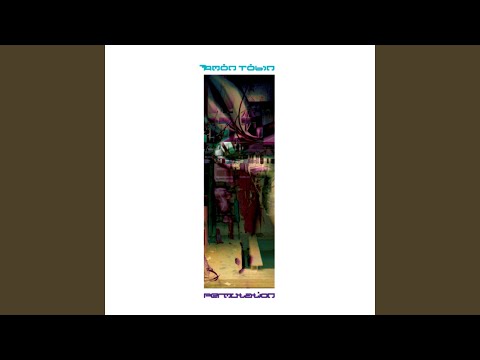
Welcome, music lovers! Today, we embark on a musical journey that chronicles the life and works of one of the most influential artists in electronic music history - Panasonic. With an innovative approach to sound and an uncompromising creative spirit, Panasonic carved his own path in the music scene, producing an extensive catalogue of influential works that stand the test of time. In this blog post, we'll dive into his musical biography, exploring his beginnings, notable albums, and classic tracks that made him a legend. So, grab your headphones, sit back, and let's dive into the world of Panasonic.
The Early Years of Panasonic
Panasonic, born in Germany in the 1970s, got his start in music at an early age. Inspired by the innovative sounds of Kraftwerk and Tangerine Dream, Panasonic experimented with various instruments and sounds, laying the foundation for his signature sound. His first foray into electronic music was through his involvement in local punk bands, where he honed his skill as a sound designer and engineer. By the early '90s, Panasonic had established himself as a solo artist, releasing his debut album Über Alles in 1992 to critical acclaim.
Notable Albums
Over the years, Panasonic released several groundbreaking albums that cemented his place in electronic music history. Tanzmusik (1993) was a landmark album, showcasing his unique blend of minimal techno and experimental sounds, and featuring classic tracks like UMI and Electricity. Army of Me (1995) was another notable album, featuring a stark, industrial sound that was ahead of its time. His later works, including Lifeforms (1998) and Radiator (2001), showcased his versatility as a composer, while still maintaining his distinctive style.
Classic Tracks
The music of Panasonic is known for its hypnotic, trance-like quality, often characterized by minimalistic beats and ethereal melodies. Some of his classic tracks include Haus der Lüge, Krieg, and The Wind-Up Bird. Of course, no discussion of Panasonic's music would be complete without mentioning Autobahn, a pioneering track that helped define the genre of electronic music. Its groundbreaking fusion of pop, rock, and electronic sounds made it a timeless classic loved by music fans all over the world.
Musical Style and Influences
Panasonic's music was heavily influenced by the German electronic music scene, as well as classical music and experimental sounds. Inspired by bands like Kraftwerk and Neu!, Panasonic created his own sound that fused minimal techno with elements of ambient and atmospheric music. His sound design was innovative and ahead of its time, using state-of-the-art technology to create textures and tones that were previously unheard of. He was also heavily influenced by classical composers like Bach and Beethoven, whose music he saw as a blueprint for his own compositions.
The music of Panasonic is a testament to the power of innovation, creativity, and perseverance. With an extensive body of work that spans over two decades, Panasonic remains one of the most celebrated and influential artists in electronic music history. His music continues to inspire and influence a new generation of musicians, showcasing the timeless appeal of his sound and vision. So, whether you're a die-hard Panasonic fan or a curious music listener, his music is worth exploring and experiencing for yourself - it's a journey you won't soon forget.