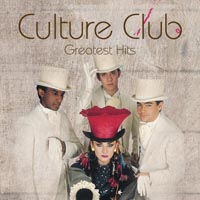
Culture Club is a name that needs no introduction to music lovers around the world. The band, led by the flamboyant lead singer Boy George, has left an indelible mark on the music industry with their unique sound and style that blended pop, rock, reggae, and soul. In this blog post, we'll take you on a journey through the musical biography of Culture Club, from their humble beginnings to their legendary status as one of the most popular bands of the ’80s.
Culture Club's story began in 1981 when Boy George teamed up with bassist Mikey Craig, drummer Jon Moss, and guitarist Roy Hay to form a band that would incorporate various influences and styles of music. Their debut album, Kissing to Be Clever, released in 1982, was an instant hit, thanks to songs like Do You Really Want to Hurt Me, Time (Clock of the Heart), and I'll Tumble 4 Ya. The album topped the charts in several countries and made the band a sensation.
In the years that followed, Culture Club went on to release several other successful albums, such as Colour by Numbers (1983), Waking Up with the House on Fire (1984), and From Luxury to Heartache (1986). Their music was a perfect reflection of the times, tackling themes like love, heartbreak, social issues, and personal struggles. Hits like Karma Chameleon, Church of the Poison Mind, and Victims became anthems that were embraced by millions of fans across the globe.
Culture Club's sound was a unique blend of various genres, from new wave and pop to reggae and soul. Boy George's androgynous appearance and flamboyant style added to their appeal, making them one of the most visually striking bands of their time. What set Culture Club apart from other bands was their ability to create songs that were both catchy and meaningful, with lyrics that often touched on sensitive issues.
The band's success, however, was not without its challenges. Personal and creative differences led to tensions within the group, and in 1986, they announced their breakup. Boy George pursued a solo career, while other members went on to work on separate projects. It wasn't until 1998 that Culture Club reunited, with a new album Don't Mind If I Do and a world tour that was a huge success.
Culture Club's impact on the music industry cannot be overstated. They brought together various musical influences and styles, creating a sound that was truly unique and timeless. Boy George's androgynous persona and the band's flamboyant style only added to their appeal, making them one of the most memorable bands of the '80s. While their journey wasn't without its challenges, it's clear that Culture Club's music continues to resonate with listeners around the world, making them a significant part of musical history.