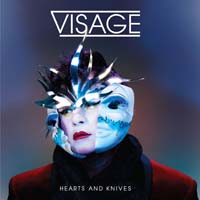
Visage is a name synonymous with new wave, an influential genre born out of the late 70s. With a discography spanning over three decades, Visage was a celebrated band and a pioneer of a movement that went on to influence alternative music. In this article, we'll delve into the musical journey of Visage - their beginnings, their most famous albums, and their most legendary songs. We'll also shed some light on the man behind the name, Steve Strange, and explore the influences that shaped their distinctive sound.
Born out of the electronic music subculture of London in the early 80s, Visage was founded by Steve Strange and Rusty Egan. The band's sound was characterised by synthesizer-driven melodies and Strange's distinctive voice. From the start, they captivated audiences with their visual presentation, with outlandish costumes and dramatic stage performances becoming a hallmark of their shows.
Their eponymous debut album, released in 1980, was a groundbreaking work that defined the sound of the new wave movement. The album featured collaborations with music luminaries including Midge Ure, Billy Currie, and John McGeoch. It was an instant success, with hits such as Fade to Grey and Mind of a Toy becoming instant classics.
The band went on to release two more albums, The Anvil in 1982 and Beat Boy in 1984. Both albums showcased the band's evolution, with more intricate songwriting and experimentation with different sounds and styles. The Anvil was a critical and commercial success, with hits such as Night Train and The Damned Don't Cry. However, Beat Boy received mixed reviews and did not achieve the same level of success.
Despite their decline in popularity after the release of Beat Boy, Visage continued to be a beloved band well into the new millennium. Their music has been remixed and reinterpreted countless times, becoming a staple in the sets of DJs and producers worldwide. Their legacy has inspired countless artists and contributed greatly to the evolution of electronic music.
Visage's distinctive sound was shaped by a diverse range of influences, from the synth-pop of Kraftwerk and Gary Numan to the art rock of Roxy Music. The band's eclectic mix of influences gave them a unique sound, one that managed to capture the zeitgeist of the early 80s and endure into the present day.
Visage was a band that brought together the best of electronic music and new wave. Their music was characterised by a distinctive blend of melodic synthesizers, intricate songwriting, and dark soundscapes. They helped define the new wave movement, which went on to influence alternative music for decades to come. Even today, their music continues to be celebrated and revered by music listeners worldwide. Steve Strange may be gone, but his legacy lives on through his music and the enduring influence of Visage.