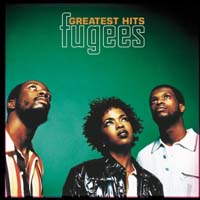
The 90s were truly the decade of amazing music and one of the most prominent music groups to come out of the era was none other than The Fugees. Comprising of three immensely talented artists- Wyclef Jean, Lauryn Hill, and Pras Michel, The Fugees created music that was not only influential but has also stood the test of time. Their unique blend of soulful R&B, hip-hop, and reggae was a fresh sound to music lovers around the world. In this blog post, we’ll take a look at the musical biography of The Fugees, their beginnings, most famous albums, and songs, as well as the musical style and influences that shaped their sound.
It all started in 1988 when a young Wyclef Jean formed Tranzlator Crew alongside his cousin Prakazrel Michel (Pras) and fellow Haitian artist Lauryn Hill. The band's name later changed to The Fugees, a nod to the word refugee, since all three members were either immigrants or first-generation offspring. Inspired by the hip-hop and soul music they grew up listening to, The Fugees' sound was a mix of all those genres, which made their music innovative and unique.
Their breakthrough album, The Score released in 1996, is now a classic in its own right. There was no denying that The Fugees had marked their place in the music industry. The album spawned massive global hits like Ready Or Not and Fu-Gee-La. With the album, The Fugees collected several awards of note, including two Grammy awards, firmly cementing their place as one of the best and most influential groups of the 90s.
One of The Fugees' unique musical aspects was their use of vivid storytelling through their lyrics. All their songs dealt with socio-political issues of the time, racism, police brutality, crime, drugs, and US politics, which are still relevant today. This storytelling, paired with their smooth vocals, perfect harmony, and witticism, perfectly embodied The Fugees' style and made their music unforgettable.
Another milestone in The Fugees' career was their Unplugged album in 1997. Live from the famous MTV Unplugged stage, the album included reworked versions of their classic hits, along with soul covers of Roberta Flack's Killing Me Softly and Bob Marley's No Woman, No Cry. The album helped the group showcase another side of their sound, which allowed for more acoustic hip-hop interludes and more breath-taking harmonies.
The musical influences on The Fugees were no doubt backdated soul and hip-hop, but they did not shy away from diversifying their sound. The Fugees' music also had traces of reggae, rock, jazz, and even classical music. Their willingness to experiment with their sound is what set them apart from the other artists of that time. The unique sound that The Fugees created, mixing genres and relying on live instrumentation, was a breath of fresh air in the airwaves.
The Fugees' innovative sound and thought-provoking lyrics not only earned them critical acclaim but also inspire music lovers to this day. With each album, The Fugees pushed the boundaries of music and introduced a new and unique sound to their fans. Even if The Fugees' time together came to an end in 1998, their music still lives on, influencing the next generation of musicians. This group had a huge impact on the music industry and continues to inspire new artists to dissect the power of music to bring unity to the world.
The Fugees' innovative sound and thought-provoking lyrics not only earned them critical acclaim but also inspire music lovers to this day. With each album, The Fugees pushed the boundaries of music and introduced a new and unique sound to their fans. Even if The Fugees' time together came to an end in 1998, their music still lives on, influencing the next generation of musicians. This group had a huge impact on the music industry and continues to inspire new artists to dissect the power of music to bring unity to the world.