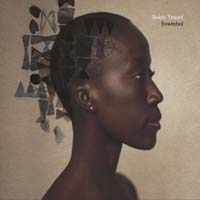
When it comes to the African music scene, one name that commands respect and admiration is Rokia Traore. This Malian singer, songwriter, and guitarist has captured the hearts of music lovers worldwide with her soulful voice and eclectic blend of African rhythms, rock, blues, and folk music. Rokia Traore has won several international awards, performed at some of the world's biggest festivals, and collaborated with many renowned musicians. In this article, we'll take a closer look at her musical biography, from her humble beginnings in Mali to her rise to fame and success on the global music scene.
Rokia Traore was born in 1974 in the town of Kolokani in Mali. She comes from a family of musicians, and her father was a diplomat who exposed her to a variety of music genres from a young age. Rokia Traore started playing the guitar at the age of 12 and soon became a regular performer at local music festivals and events. However, she didn't pursue music seriously until she moved to France to study theater. While in Paris, Rokia Traore performed in bars and clubs and eventually got discovered by the Indigo record label.
In 1998, Rokia Traore released her debut album, Mouneira, which showcased her unique blend of Malian and Western music influences. The album was critically acclaimed and helped her gain recognition in the international music scene. She followed up with Wanita in 2000, which further established her as a rising star in African music. Wanita features guest appearances by legendary musicians such as Ali Farka Toure and Toumani Diabate and won the Radio France International World Music Award in 2001.
Rokia Traore continued to experiment and evolve in her subsequent albums, exploring themes such as African identity, spirituality, and social justice. Her album Tchamantche (2008) sees her explore a more stripped-down acoustic sound, while Beautiful Africa (2013) brings together her signature rhythms with electronic elements and collaborations with musicians such as John Parish and Devendra Banhart. Her most recent album Né So (2016) features powerful and introspective songs that tackle issues such as displacement, war, and loss.
One of Rokia Traore's most famous songs is Kounandi, a beautiful and evocative track that showcases her soulful voice and intricate guitar playing. Another notable track is Laidu, which features a hypnotic rhythm and call-and-response vocals that capture the essence of traditional Malian music. Rokia Traore's music is often categorized as Afro-folk, but this label doesn't do justice to the breadth and depth of her musical influences.
Rokia Traore's style and musical influences are hard to pin down, but they range from traditional Malian music such as Wassoulou and Bambara blues to Western rock and pop. She has collaborated with musicians from different backgrounds, including Damon Albarn (Gorillaz), Toumani Diabate, and Jake Shimabukuro (ukulele virtuoso). Rokia Traore's music is not only a celebration of African culture but also a testament to the power of music to bridge different cultures and bring people together.
In conclusion, Rokia Traore is a musical force to be reckoned with. Her music is a reflection of her diverse background and experiences, and she continues to push boundaries and challenge expectations with each new album. Through her music, Rokia Traore has not only become a cultural ambassador for Africa but also an inspiration for many musicians and music lovers around the world. If you haven't had a chance to listen to her music yet, we highly recommend you do so and embark on a musical journey that will stay with you forever.