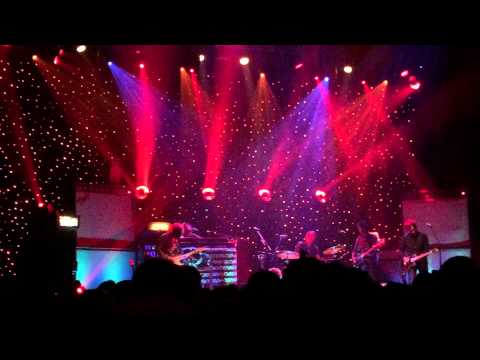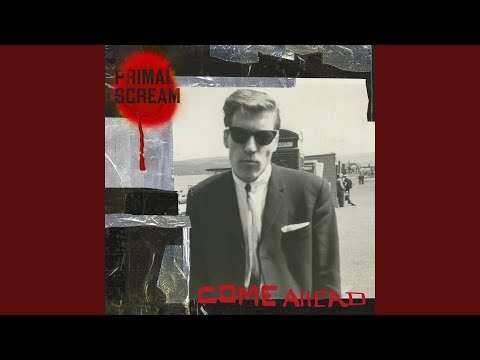
Primal Scream, a legendary Scottish rock band, has captured the hearts of millions of music lovers for three decades. The band was formed in Glasgow, Scotland, in 1982, by Bobby Gillespie, former drummer of The Jesus and Mary Chain. The band started as a post-punk outfit, but soon evolved into a musical force that blended elements of rock, pop, dance, and psychedelic music. Primal Scream has released some of the most iconic albums in rock history, with their music ranging from gritty and raw to electrifying and uplifting. In this article, we will delve into the musical biography of Primal Scream, exploring the band's origins, discography, most famous songs, and musicianship.
Blog Body: Primal Scream's musical journey began in the early eighties in Glasgow, Scotland, when Bobby Gillespie, Jim Beattie, and Robert Young formed the band after being influenced by bands like The Velvet Underground, The Stooges, and MC5. The band's first line-up included Gillespie on vocals, Beattie on guitar, Young on bass, and two other musicians on drums and keyboards. Primal Scream released their debut album Sonic Flower Groove in 1987, which showcased an eclectic mix of jangly guitars, dreamy vocals, and psychedelic soundscapes. The album wasn't a commercial success, but it showcased the band's potential to grow and evolve.
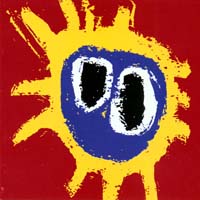
Primal Scream's second album Primal Scream (1989) marked the band's shift towards a more electric sound, with the addition of guitarist Andrew Innes and drummer Gavin Skinner. The album was produced by Stephen Street, who had previously worked with The Smiths and Blur. The album's standout track Loaded became a club anthem and brought the band mainstream success. Screamadelica (1991), the band's third album, is widely considered their masterpiece. The album was a groundbreaking fusion of rock, dance, and rave music, co-produced by Andrew Weatherall. It included the hit singles Movin' On Up, Come Together, and Higher Than the Sun and won the inaugural Mercury Music Prize in 1992.
In the following years, Primal Scream continued to experiment with different sounds, incorporating elements of gospel, funk, and country music in their albums. Give Out But Don't Give Up (1994) was a tribute to classic rock, inspired by The Rolling Stones and The Faces. XTRMNTR (2000) was a more aggressive and political album, heavily influenced by electronic and industrial music. Riot City Blues (2006) was a return to the band's rock roots, with heavy riffs and catchy choruses. More Light (2013) was a sprawling, 13-track album that explored themes of revolution and spirituality.
Primal Scream's musical style is characterized by their willingness to experiment and push boundaries. The band has always been open to new influences and genres, incorporating them into their sound. They have collaborated with artists like Kate Moss, David Holmes, George Clinton, and Kevin Shields. Bobby Gillespie's charismatic vocals and lyrics, Andrew Innes's inventive guitar playing, Martin Duffy's keyboards, and Darrin Mooney's precise drumming have made Primal Scream one of the most versatile and exciting bands in rock history.
Conclusion: Primal Scream's musical journey is a testament to the power of perseverance and creativity. The band's willingness to evolve and experiment with different sounds has set them apart from their peers. With a discography spanning three decades and diverse musical styles, Primal Scream has proven to be a band that is not afraid to take risks and challenge themselves. Whether you're a fan of their early post-punk sound or their later electronic and psychedelic offerings, Primal Scream's music is a testament to the boundless possibilities of rock music.