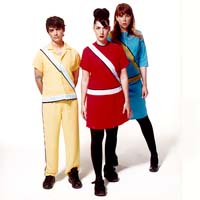
Le Tigre is a name that resonates with electroclash fans, experimental music enthusiasts, and feminist activists alike. The brainchild of Kathleen Hanna, Johanna Fateman, and JD Samson, Le Tigre emerged in the late 1990s and quickly became the voice of a generation that sought to challenge the patriarchal and heteronormative norms of the music industry and the wider society. In this article, we will take a deep dive into the fascinating musical biography of Le Tigre, exploring their beginnings, their most famous albums, their iconic songs, and their impact on music and activism.
Le Tigre was formed in 1998 by Kathleen Hanna, who had already made a name for herself as a fierce feminist punk rocker in the Riot Grrrl band Bikini Kill. At the time, Hanna was collaborating with zine writer and musician Johanna Fateman, and they decided to form a new band that would explore electronic music and political themes. Later, JD Samson joined the band as a multi-instrumentalist and backup singer, adding a queer and genderqueer perspective to the group's ethos.
Le Tigre released their self-titled debut album in 1999, which showcased their unique blend of catchy hooks, dance beats, and feminist lyrics. The album was praised for its DIY sensibility, its playful experimentation, and its unapologetic political stance. Tracks like Deceptacon, Les and Ray, and Hot Topic became instant anthems for punk feminists and queer activists, and the band gained a loyal following in the underground music scene.
Their second album, Feminist Sweepstakes, was released in 2001 and continued to push the boundaries of sonic innovation, political subversion, and gender fluidity. The album featured guest appearances by artists like Joan Jett and Bikini Kill's Tobi Vail and explored themes such as sexual harassment, media manipulation, and consumerism. The standout tracks from the album include OnGuard, Tres Bien, and Keep on Livin', which cemented Le Tigre's reputation as a force to be reckoned with in the art-rock world.
Le Tigre's final studio album, This Island, was released in 2004 and marked a departure from their previous sound. The album saw the band experimenting with more complex arrangements, live instrumentation, and a wider range of styles, including rock, pop, and R&B. The album also tackled issues such as the war in Iraq, Internet censorship, and the politics of love. The songs that stood out from the album include New Kicks, After Dark, and Viz.
Le Tigre became known for their energetic and exuberant live shows, which combined music, art, and political activism. The band's performances often featured multimedia projections, performance art, and audience participation, creating a sense of community and solidarity among their fans. Le Tigre's influence on contemporary music and culture can be seen in the rise of feminist electro bands like Gossip, SSION, and CSS, as well as in the resurgence of Riot Grrrl and queercore movements.
Le Tigre's musical journey is a testament to the power of art to challenge social norms, question authority, and inspire change. Their bold and innovative music, combined with their uncompromising political stance, made them pioneers of feminist electroclash and icons of the underground scene. Le Tigre's legacy lives on in the hearts of those who fight for gender and LGBTQ+ equality, and in the music of the artists who continue to carry their torch. To all the listeners who want to dance, resist, and create a better world, Le Tigre says, We won't stop, we won't stop, we won't stop.
Le Tigre's musical journey is a testament to the power of art to challenge social norms, question authority, and inspire change. Their bold and innovative music, combined with their uncompromising political stance, made them pioneers of feminist electroclash and icons of the underground scene. Le Tigre's legacy lives on in the hearts of those who fight for gender and LGBTQ+ equality, and in the music of the artists who continue to carry their torch. To all the listeners who want to dance, resist, and create a better world, Le Tigre says, We won't stop, we won't stop, we won't stop.