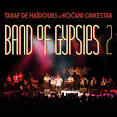
If you're a fan of world music, you must have heard of Kocani Orkestar, the brass band from North Macedonia that has been shaking the world's dance floors for more than three decades. With their frenzied rhythms, infectious melodies, and emotive wails, Kocani Orkestar has become one of the most beloved and acclaimed ensembles of the Balkans. In this article, we'll take a deep dive into their musical career, from their humble beginnings to their worldwide fame, and explore their signature sound and influences.
Kocani Orkestar was formed in 1949 in the town of Kocani, where brass bands were a staple of weddings, funerals, and other celebrations. The original line-up included a clarinet, a trumpet, a tuba, and a percussionist, and they played mostly traditional folk tunes that had been passed down for generations. However, in the 1980s, a young trumpet player called Naat Veliov joined the band and revolutionized their sound. Veliov, who had a passion for jazz, funk, and rock music, infused Kocani Orkestar's repertoire with new rhythms, harmonies, and arrangements, creating a unique fusion of traditional and modern influences. The band's debut album, A Gypsy Brass Band, released in 1993, marked the beginning of their international career and showcased their innovative style, which would become their trademark.
One of Kocani Orkestar's most famous albums is Alone at My Wedding, released in 2002. The album features guest vocals by Bulgarian singer Eugenia Georgieva, who adds a haunting and ethereal quality to the band's already spellbinding sound. The title track, Samo zaen maj dades (Only for my dad), is a heart-wrenching ballad sung in Romani, the language of the Roma people, who make up a significant part of Kocani Orkestar's fanbase. Other standout tracks include Cujem li neko (Do I hear someone), with its dizzying trumpet riffs, and Makedonsko devojche (Macedonian girl), a joyful ode to their homeland.
Another album that deserves mention is Gypsy Mambo, released in 2005. As the title suggests, the album is a tribute to the Afro-Cuban mambo, one of the genres that inspired Veliov's eclectic taste. The band's brass section provides the fiery grooves and syncopated beats, while the percussion and bass add the Latin flavor. The album features guest performances by Cuban singer Rosalia de Souza and Brazilian guitarist Bireli Lagrene, who help bridge the gap between Europe and the Americas. Tracks like Mugur mugurel (Little bud), Taksi taksi, and Opa cupa (Hey, jump) are sure to get your hips shaking and your feet tapping.
Kocani Orkestar's music can be described as Balkan brass, a genre that fuses the brass band tradition of the Balkans with elements of Gypsy music, jazz, funk, Latin, and Middle Eastern music. The band's sound is characterized by its lively and playful melodies, its virtuosic and improvisational solos, and its emotional and nostalgic ballads. The music reflects the rich cultural heritage of the Balkans, which is a melting pot of different ethnic groups, religions, and historical events. Kocani Orkestar's music celebrates this diversity by blending different traditions and creating something new and exciting.
In conclusion, Kocani Orkestar is a band that has brought joy and energy to millions of people around the world. Their music is a testament to the power of fusion, collaboration, and creativity, and a tribute to the rich cultural legacy of the Balkans. Whether you're a fan of world music or not, Kocani Orkestar's music is worth listening to, dancing to, and sharing with others. So turn up the volume, let the brass and the drums transport you to another world, and join the party that never ends.