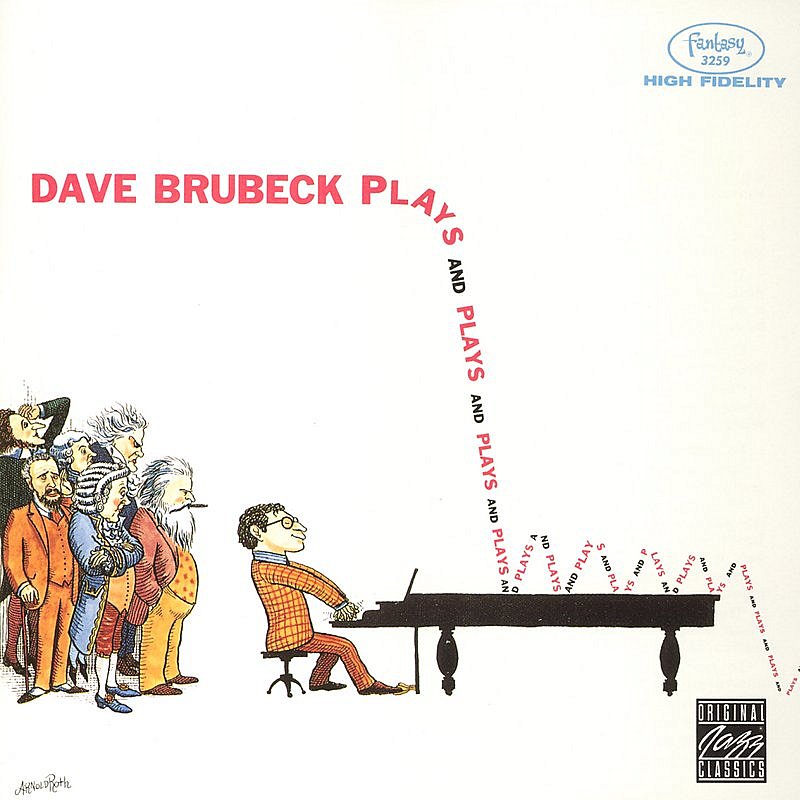
When it comes to great jazz musicians, Dave Brubeck’s name is never too far from the conversation. Known for his innovative style and groundbreaking contributions to the world of jazz, Brubeck has been a defining figure in the industry for several decades. In this article, we’ll take a deep dive into Brubeck's life and career, tracing his roots in music, exploring his musical style and influences, and examining some of his most famous albums and songs.
Blog Body: Born in 1920 in California, Dave Brubeck grew up not too far from San Francisco. Music was a constant in his life from an early age, he began taking piano lessons from his mother at the age of four. By the time he hit his teenage years, Brubeck was playing professionally, performing at nightclubs and earning a reputation as a talented musician. After serving in World War II, Brubeck attended Mills College in Oakland, studying with renowned composer Darius Milhaud. It was under Milhaud’s tutelage that Brubeck began to develop his unique jazz style, with its unusual harmonies and rhythms that challenged conventions of the time.
Brubeck’s musical style was influenced by a wide range of sources, from classical music to West Coast jazz. His most iconic musical contribution, however, was the use of odd time signatures, which he employed to great effect in songs like Take Five and Blue Rondo a la Turk. These unconventional time signatures gave Brubeck’s music a distinctive, syncopated feel, and helped to set him apart from other jazz artists of the time.
Over the course of his career, Dave Brubeck released several iconic albums that helped to cement his status as a jazz legend. Among the most famous of these is Time Out, released in 1959, which contained the hit single Take Five. Another standout album was Jazz Impressions of Japan, released in 1964, which featured Brubeck’s take on Japanese folk songs. Other notable albums include Countdown: Time in Outer Space and Time Further Out, both of which further explored Brubeck’s use of unconventional time signatures to create captivating, complex jazz compositions.
Of Brubeck’s many iconic songs, Take Five is perhaps the most famous. Written by Brubeck’s saxophonist, Paul Desmond, the song became a hit single and has since become a jazz standard. Another notable song is Blue Rondo a la Turk, which features a 9/8 time signature combined with Turkish melodies and instrumentation. Other noteworthy Brubeck tracks include Unsquare Dance, It’s a Raggy Waltz, and Take the ‘A’ Train.
Conclusion: From his early days playing in nightclubs to his meteoric rise as one of jazz’s most innovative and influential figures, Dave Brubeck’s career is nothing short of extraordinary. His innovative use of odd time signatures and classical influences helped to define his singular musical style and set him apart from his peers. Although Dave Brubeck may be gone, his music lives on, fascinating and inspiring music lovers around the world.