Switchblade Symphony, one of the most influential and unique music groups in the 90s gothic and darkwave music underground scene. This San Francisco-based band finds its roots back in the early 1990s and was known for its distinctive melodic and cinematically dark sound. Through their three released albums, they managed to create a devoted fan base all over the world through their electrifying performances and evocative music. In this blog post, we will take a deep dive into Switchblade Symphony's musical biography, starting from their beginnings, their most famous albums, their most famous songs, their musical style, and influences.
Switchblade Symphony was formed in 1989 by Tina Root and Susan Wallace. Root had a background of being a punk band vocalist, while Wallace was initially working as a photographer. Together they started to make music under different band names before settling on Switchblade Symphony. After releasing several demos, they signed their first record deal with Cleopatra Records, and that is when they started garnering attention from the gothic music scene.
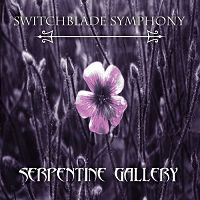
Switchblade Symphony released their first album, Serpentine Gallery, in 1995, which gained their popularity in the gothic culture. They then went on a two-year tour, which proved to be a turning point in their career when they signed with Cleopatra Records in 1996. Their second album, Bread and Jam for Frances, produced by industrial music icon John Fryer, was released in 1997 and was a commercial breakthrough for the band. It was released as both an album and an EP, containing acoustic versions and remixes of previous work.
In 1999, the band released its third album, The Three Calamities, which marked the height of their musical evolution. The album showcased a more mature and poetic vision of the band's darkwave and gothic sound, and they began to incorporate various musical styles such as industrial rock and ethereal wave.
One of Switchblade Symphony's best-known songs is Clown, which is a staple of the band's music. Other popular tracks among fans include Witches, Dollhouse, and Gutter Glitter, all of which perfectly represent the band's dark, moody sound and lyrical content.
Switchblade Symphony's music style was often characterized as dark, romantic, and melancholic. Their music features darkwave and gothic elements, including industrial beats, haunting melodies, and eerie soundscapes. They often sang in a somber, angelic tone and featured complex lyrics that evoke surreal tales of beauty and destruction. The band was strongly influenced by the likes of Siouxsie and the Banshees, Dead Can Dance, The Cure, and Cocteau Twins.
In conclusion, Switchblade Symphony's musical biography is a perfect representation of the 90s gothic and darkwave music scene. Their music evokes emotions of sadness and beauty, capturing the essence of the gothic subculture. Through their distinct style and unique sound, they managed to create a loyal fan base that still admires their work to this day. For those who are interested in the gothic music scene, Switchblade Symphony is undoubtedly a band worth learning more about, and their music is still being listened to and admired to this day.
In conclusion, Switchblade Symphony's musical biography is a perfect representation of the 90s gothic and darkwave music scene. Their music evokes emotions of sadness and beauty, capturing the essence of the gothic subculture. Through their distinct style and unique sound, they managed to create a loyal fan base that still admires their work to this day. For those who are interested in the gothic music scene, Switchblade Symphony is undoubtedly a band worth learning more about, and their music is still being listened to and admired to this day.