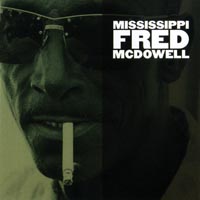
If you consider yourself a music enthusiast or at least a blues aficionado, you might have already come across the name Mississippi Fred McDowell. Born in 1904, this legendary artist grew up in Tennessee, surrounded by the African American musical traditions that would shape his distinctive style. From his long career span, we get a chance to track the history and evolution of the blues in America. So without further ado, let's take a deep dive into the life, work, and legacy of Mississippi Fred McDowell.
Growing up, Fred McDowell's musical education consisted of learning slide guitar from his parents, who were both musicians themselves. But he took it on passionately, traveled and played in various towns and cities, developing his unique style, which incorporated techniques influenced by gospel, country, and the blues. It wasn't until the 1950s that he gained widespread recognition after recordings of his sessions made its way to the radio stations and he performed alongside other greats such as Furry Lewis and Bukka White.
This exposure elevated McDowell's career, leading to recordings and many gigs, he also began to incorporate electric guitars into the traditional slide blues, which wasn't common at that time, but he did it flawlessly. One of McDowell's most famous albums is Mississippi Fred McDowell: Live in New York. It's considered a remarkable performance, especially because the artist performed mainly for African American and mainly rural audiences. The record is a vivid illustration of his exacting rhythmic and timing precision, his ability to create deep and meaningful guitar lines that connect with his lyrics.
Among McDowell's most famous songs is his version of You Gotta Move, which has become a blues standard. Other songs such as Kokomo Blues, Got to Go, and When You Get Home Please Write Me a Few of Your Lines had a huge influence on the blues scene in the 60s and 70s. Today, they remain timeless classics that showcase his remarkable talent and contribution to the blues genre.
There are varying opinions on McDowell's impact on the blues scene, some say his career took a hit when he moved to Los Angeles in the late 60s, while others argue that McDowell's ethereal vocals and masterful touch on the slide guitar had a huge influence on the blues of his era and beyond. His traditional blues-rural sound, loaded with raw emotions, still gives chills to younger generations of music lovers in search of something deeply authentic and well connected to the heritage of African American folk-music influences of America.
Mississippi Fred McDowell's contribution to the blues and to American music has been astounding. With his raw and traditional sound, he has left an enormous impact on the blues scene and influenced generations of musicians that came after him. His legacy as one of the most exceptional blues musicians of the 20th century is undeniable. We hope that this post introduced you to or reminded you of his music and inspired you to dig deeper into his music catalog. Have you got any particular favorites from Mississippi Fred McDowell? Share them in the comments!