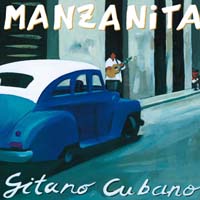
His unmatched acoustic guitar skills and passion for flamenco music made Manzanita a legend in the Spanish music industry. Throughout his career, he produced music that transcended borders and cultures, captivating the hearts of millions worldwide. Although his life was short-lived, his influential music inspired artists worldwide. Today, we are going to walk through his musical journey, the milestones of his career, his famous albums, and the songs that defined his legacy.
Born in Algeciras in 1956, Jose Ortega Heredia was lured by the sounds of guitar at the young age of nine. Maria Amaya, his mother exposed him to the world of flamenco, which ignited his desire to play and fostered his unique style by imitating his favorite musicians. In his early life, he played classical guitar until he discovered flamenco and played with renowned artists such as Juan Veleta and Maria Solea. The codename Manzanita was his artistic name, and it was derived from his favorite apple that used to grow in his grandmother's backyard.
Manzanita's music was heavily influenced by the styles of Paco de Lucia, Vicente Amigo, and Tomatito, he blended different genres, including jazz, pop, rock, and soul, with flamenco to make his unique sound. Furthermore, he was heavily influenced by the Andalusian music, this is evidenced in his song Toca Madera, a classic from his early years. His unique style was a blend of technical finesse and impeccable rhythm, fused with his strong emotional connection with his guitar.
Manzanita's debut album, Poco Ruido Y Mucho Duende, was released in 1976, which was well received. However, his second album, Somos La Gente, was his true breakthrough in the music industry, producing hit songs such as Un ramito de violetas, which received praise from critics and fans alike, catapulting him to fame. His music career was littered with highlights, including his collaboration with Carlos Santana in La Danza del Fuego, which featured in his album, En Familia in 1993.
His most famous album, La Quiero A Morir, released in 1995, was his unofficial farewell to his fans. The album featured his all-time favorite song, La Quiero A Morir, which became one of the most famous love songs in Spanish music history. It's a song that expresses the depths of his love, which he shares through his guitar. The song achieved critical and commercial success, becoming known worldwide after Francis Cabrel recorded it in French in 1987.
Apart from La Quiero A Morir, other songs that defined Manzanita's legacy include Por tu ausencia, Gitano soy, Arranca, and Tentación, among others. These songs contained the essence of Manzanita's music—an eclectic mix of soulful melodies and powerful rhythms that highlighted his emotional connection with the guitar.
Manzanita was a virtuoso who molded Spanish music culture through his influential music. Even though he lived for a short time, his music still resonates with us today, inspiring new musicians and music lovers worldwide. His fusion of traditional Andalusian music with contemporary genres is what made him a unique artist that stands the test of time. We hope you enjoyed reading through the musical biography of Manzanita and that his music continues to inspire your love for Spanish music.
Manzanita was a virtuoso who molded Spanish music culture through his influential music. Even though he lived for a short time, his music still resonates with us today, inspiring new musicians and music lovers worldwide. His fusion of traditional Andalusian music with contemporary genres is what made him a unique artist that stands the test of time. We hope you enjoyed reading through the musical biography of Manzanita and that his music continues to inspire your love for Spanish music.