If you're a fan of jazz, electronic, or chillout music, you might have come across Koop at some point. This Swedish duo consisting of Magnus Zingmark and Oscar Simonsson created a unique sound that combines vintage jazz samples with modern electronic beats. Through their career, Koop released a few critically acclaimed albums, collaborated with various artists, and gained a dedicated fanbase. In this article, we'll delve into the musical biography of Koop, from their beginnings to their best works. Let's get started!
Koop started as a project between Zingmark and Simonsson in the late 1990s. The two met at a music school in Sweden, where they were both studying jazz. They shared an interest in electronic music as well, and so they decided to merge their musical backgrounds and experiment with combining jazz samples with electronic beats. They began recording their music in Simonsson's apartment, which they turned into a makeshift studio. In 1999, they released their first single, Soul For Sahib, which was a hit in Sweden. This single sparked the attention of record labels, and soon they signed a deal with Diesel Music.
Their debut album, Sons of Koop (2001), introduced their unique sound to the world. The album contains samples from 1930s and 1940s jazz records, such as Charlie Parker and Benny Goodman, and blends them with downtempo beats and electronic textures. The album received critical acclaim, and tracks like Summer Sun and Waltz for Koop became fan favorites. Their second album, Waltz for Koop (2003), continued the jazz-electronic fusion concept, but added more live instrumentation to the mix. This album features guest vocals by singer Yukimi Nagano, who became a frequent collaborator with Koop.
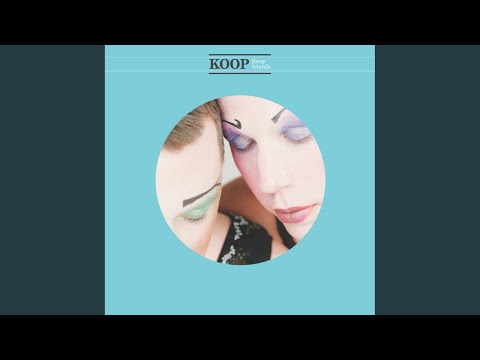
Koop's most successful album, Koop Islands (2006), further expanded their signature sound. This album featured more live instrumentation, such as flutes, horns, and strings, and focused on a tropical vibe. The album also features guest vocals by singers Rob Gallagher and Ane Brun. Tracks like Koop Island Blues and Come to Me became international hits and reached high positions in various music charts. Koop Islands showcased the duo's ability to evolve their sound and experiment with new musical directions.
Throughout their career, Koop collaborated with various artists, such as singer Hilde Louise Asbjornsen, French duo The Lighthouse and the Whaler, and British musician Terry Callier. They also scored a few films, such as the Swedish film Details and the French film The Art of Love. Their music was featured in numerous TV shows, movies, and commercials, cementing their status as one of the most influential acts of their genre.
Koop's music style can be described as a fusion of vintage jazz, downtempo, and electronic music. They're influenced by jazz legends like Duke Ellington, Count Basie, and Ella Fitzgerald, but also by electronic acts like Portishead, Massive Attack, and Air. Their music evokes a sense of nostalgia and warmth while staying fresh and innovative. Koop's music is perfect for chilling out or creating a relaxing atmosphere, making it a staple in many listeners' playlists.
Koop was a groundbreaking act that created a unique blend of jazz and electronic music. Their musical biography showcases their ability to evolve and experiment with their sound while staying true to their roots. From their beginnings in a makeshift studio to their international success, Koop left a mark on the music industry that is still felt today. If you haven't checked out their albums yet, we highly recommend giving them a listen. Who knows, you might discover your new favorite band.