Carcass is a British metal band that was not only influential in the development of grindcore in the 1980s but also in the evolution of death metal in the 1990s. In this blog post, we will take a look at the musical biography of Carcass, from their early beginnings to their most famous albums and songs. We will also dive into Carcass's musical style and influences that made them one of the most significant metal bands of all time.
Carcass was formed in Liverpool, England, in 1985, by Bill Steer and Jeff Walker, two friends that shared a passion for extreme music. Their early sound was a mix of punk, hardcore, and metal, which they dubbed grindcore. Their first demo tape, The Crucifixion, was released in 1986, and it caught the attention of the underground metal scene. Carcass's debut album, Reek of Putrefaction, followed in 1988, and it became a cult classic in the grindcore genre.
Carcass's musical style evolved throughout the years, and they slowly incorporated more death metal elements into their sound. Their breakthrough album, Heartwork, released in 1993, was a game-changer for both Carcass and the death metal genre. Heartwork was a departure from the band's earlier grindcore sound, and it marked the beginning of their dominance in the death metal scene. The album's title track and No Love Lost became instant classics, and they are still fan favorites to this day.
In 1996, Carcass released their fifth album, Swansong. It was their last album before their hiatus, which lasted until their reunion in 2007. Swansong was a departure from the band's earlier sound, and it featured more rock and blues influences. Some fans criticized the album for being too experimental, but others appreciated Carcass's willingness to take risks and explore new musical territories. Swansong may not be as revered as their earlier albums, but it is still an essential part of Carcass's musical history.
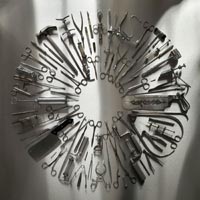
Carcass's comeback album, Surgical Steel, released in 2013, was a return to their earlier death metal sound. It was well-received by fans and critics alike, and it cemented Carcass's legacy as one of the most important metal bands of all time. Surgical Steel features some of the band's most memorable songs, such as Captive Bolt Pistol and Unfit for Human Consumption. Carcass's musical style may have evolved throughout the years, but their commitment to creating extreme, boundary-pushing music never wavered.
Carcass's musical influences are diverse, but they are often associated with the early grindcore and death metal scenes. Some of their musical heroes include Napalm Death, Slayer, and Death. Carcass's musical innovations and contributions to the extreme metal scene cannot be overstated, and their influence can be heard in countless bands to this day.
Carcass's musical biography is a story of evolution, experimentation, and exploration. From their early beginnings as a grindcore band in Liverpool to their dominance in the death metal scene, Carcass has left an indelible mark on the metal world. Their willingness to take risks and explore new musical territories set them apart from their peers, and their commitment to creating extreme, boundary-pushing music never wavered. Carcass's legacy continues to inspire new generations of metal fans and musicians, and their place in the metal pantheon is well-deserved.
Carcass's musical biography is a story of evolution, experimentation, and exploration. From their early beginnings as a grindcore band in Liverpool to their dominance in the death metal scene, Carcass has left an indelible mark on the metal world. Their willingness to take risks and explore new musical territories set them apart from their peers, and their commitment to creating extreme, boundary-pushing music never wavered. Carcass's legacy continues to inspire new generations of metal fans and musicians, and their place in the metal pantheon is well-deserved.