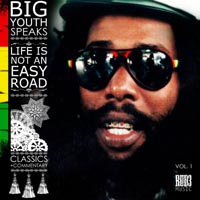
Music has the power to capture our hearts, souls, and minds. It helps us express our deepest emotions, and through it, we can connect with people from different backgrounds and cultures. Big Youth is one of those musicians who has impacted the music industry, especially the reggae genre. Over the years, he has created an impressive musical legacy that still resonates with many music listeners. In this blog post, we explore the life and times of the iconic artist, Big Youth, from his beginnings to his most famous works.
Winston Rodney, aka Big Youth, was born in Kingston, Jamaica, in 1949. He grew up in a musical family, and his father, who was a professional musician, played an essential role in shaping his musical tastes and interests. Big Youth's early musical influences include Toots and the Maytals, Jimmy Cliff, and Bob Marley. He started his musical career in the late 1960s, and his music quickly caught the attention of the local music industry.
In 1972, Big Youth released his debut album Screaming Target, which became an instant hit and made him a household name. The album featured some of his biggest hits, including Screaming Target, Be Careful, and Hell Is For Heroes. The album's success was due to its unique sound, which combined elements of reggae, ska, and dub. Big Youth's use of complex metaphors and wordplay also made his music appeal to a broader audience.
Big Youth's most famous album, however, was Natty Dread She Want, released in 1975. The album was a masterpiece and showcased Big Youth's ability to fuse different music genres while still maintaining a distinctly Jamaican sound. The album featured some of his biggest hits, including Natty Dread She Want, River Jordan, and Love Is A Gamble. The album's lyrics also tackled social and political issues, which resonated with many of his fans.
Big Youth's most famous song is undoubtedly S 90 Skank. The song was released in 1973 and became an instant sensation in Jamaica and abroad. It was based on the new craze of the time, which was the S 90 motorcycle. The song's catchy melody, combined with Big Youth's unique style of toasting, helped propel it to the top of the reggae music charts. The song's success made Big Youth a household name and helped establish his place in reggae music history.
Big Youth's musical style was heavily influenced by the Rastafarian movement and the teachings of Marcus Garvey. His music often dealt with social and political issues, and he used his platform to bring attention to injustices and inequalities. He also introduced a new style of toasting, where he would speak to the beat of the music, rather than singing along with it. This style helped differentiate him from other musicians of his time and has become his signature style.
In conclusion, Big Youth is one of the most influential musicians in reggae music history. His unique style, use of complex metaphors and wordplay, and dedication to social and political issues have made him a beloved icon to many music listeners. His many accomplishments, such as the success of his first album, Screaming Target, and the fame of his most famous song, S 90 Skank, are testaments to his musical genius. In understanding Big Youth's story, young generations of music lovers can find new genres, styles, and inspiration that shaped reggae music. His music will always be a bridge for people from different cultures and backgrounds to connect and be entertained.
In conclusion, Big Youth is one of the most influential musicians in reggae music history. His unique style, use of complex metaphors and wordplay, and dedication to social and political issues have made him a beloved icon to many music listeners. His many accomplishments, such as the success of his first album, Screaming Target, and the fame of his most famous song, S 90 Skank, are testaments to his musical genius. In understanding Big Youth's story, young generations of music lovers can find new genres, styles, and inspiration that shaped reggae music. His music will always be a bridge for people from different cultures and backgrounds to connect and be entertained.