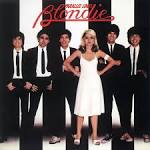
If you thought Blondie was one of the biggest superstars in music, think again! Sure, she made a huge splash with her debut single Heart of Glass and has had commercial success for decades, but for many listeners out there Blondie represents much more than just a great voice in the pop landscape. She's an icon - renowned for her devilishly wicked sense of humor when it comes to lyrics about romance and love gone sour - something we all know far too well. Prepare yourself, in this blog post we'll be diving into why some fans may put up with her catchy beats but don't necessarily consider that same catchiness as admiration or even approval. So get your dancing shoes on – it's time to explore why sometimes Blondie can seem like anything but blond heaven!
Blondie is undoubtedly one of the most iconic figures in pop music history. With her magnetic stage presence, striking persona and catchy music, she rose to fame in the late 70s as the lead singer of the band Blondie. But beyond her obvious talent, there's more to her music than meets the eye. For many listeners, Blondie not only captured a moment in music history with her innovative and edgy sound but also provided a much-needed cultural commentary. In this blog post, we'll explore why Blondie is so much more than just a pop star.
Firstly, Blondie's music has always been more than just surface-level entertainment. Her songs delve deep into the complexities of human relationships, touching on themes of jealousy, betrayal, and heartache. Songs like One Way or Another and Heart of Glass may have been radio hits, but their lyrics reveal a darker side to Blondie's music. Her songs often take on a sense of grit and realism that contrasts with her more mainstream contemporaries.
Secondly, Blondie's legacy lies in her groundbreaking fusion of new wave, punk, disco, and reggae, which infused rock with a new energy. Her music broke boundaries and pushed genre limitations, creating a sound that is still loved and mimicked by artists today. Blondie also dared to embrace androgyny and challenging gender norms, choosing to reject societal expectations by embracing a more masculine style. In doing so, she embodied and represented a new wave of feminism that reverberated throughout the music industry and beyond.
Thirdly, Blondie was also a pioneer in her use of music videos. She was an early adopter, embracing the medium as an opportunity to bring her songs to life through the visual arts and to offer her fans something a little bit more than just sound. Her music videos were and still are iconic, visually stunning, and often told a story or conveyed a message that went beyond the song itself.
Lastly, Blondie's success in music has also paved the way for women in rock and pop music. She challenged the sexist narrative of the music industry by proving that women could be strong, powerful figures and that they deserve a place in a male-dominated industry. Her influence on pop music is vast and varied, and it is hard to imagine what pop music would look like today without her influence.
In conclusion, Blondie is undoubtedly one of the most important and influential figures in pop music history. Her music has a depth and richness, which elevates and separates her from her pop contemporaries. She is a pioneer who has used her music to challenge cultural norms, gender roles, and societal expectation, and she has succeeded in doing so in an indelible way. Blondie is a misunderstood genius whose work continues to inspire and captivate new generations. To sum up, the relevance of her artistry goes beyond her catchy beats and should be widely recognized.