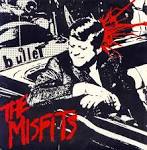
The Misfits have been one of the most influential bands in punk rock history, inspiring countless other musical artists with their distinct style and powerful, often dark, lyrical content. However, the iconic horror-punk sound heard on albums like Walk Among Us isn't only widely praised – it has also become a point of contention among fans and critics alike. While some listeners find themselves captivated by singer Glenn Danzig's haunting yet infectious vocal melodies and spellbinding guitar riffs delivered by Jerry Only, others lament that the band's later outputs increasingly strayed from its signature sonic thematics as they entered more mainstream avenues with commercial success. Whether you're an avid fan or someone just tuning into The Misfits' lengthy discography for the first time, it can be difficult to ignore both sides of this complex discussion surrounding a group many deem irreplaceable!
Punk rock isn't for the faint of heart. From the angsty lyrics to the thrashing guitar riffs, the genre is all about rebellion and pushing boundaries. And no band did that quite like The Misfits, a group that blended horror imagery and catchy hooks to create a sound that would forever change the punk rock landscape. But with commercial success comes criticism, and some fans are quick to denounce the band's more mainstream outputs. In this blog post, we'll take a closer look at The Misfits and explore the complicated debate surrounding their legacy.
To understand the controversy surrounding The Misfits, it's important to take a closer look at their music. The band's early releases, such as Walk Among Us and Earth A.D./Wolfs Blood, are widely regarded as classic punk rock albums. They feature tense, fast-paced songs with lyrics that draw inspiration from horror movies and B-movie schlock. The production is raw and unpolished, lending a sense of urgency to the music. It's easy to see why these albums are so beloved by fans of the genre.
But as The Misfits gained more mainstream recognition, they began to experiment with their sound. The band's third album, 1986's Misfits, was produced by Arthur Baker, a renowned disco producer. The resulting sound was a departure from the band's horror-punk roots, with cleaner production and more accessible songwriting. Some fans were outraged, accusing The Misfits of selling out and abandoning their punk rock roots.
Despite the backlash, The Misfits continued to explore different sounds and styles throughout their career. Singer Glenn Danzig left the band in the late 80s, and the remaining members continued to make music under the Misfits name with a rotating cast of lead vocalists. Some of their later releases, such as Famous Monsters and Project 1950, incorporated more elements of hard rock and rockabilly. While these albums may not have the same cult following as the band's early work, they still have their fans and provide a glimpse into the band's evolution.
It's not just the band's sound that has divided fans, however. The Misfits have also faced controversy over their live shows and business practices. For years, founding member Jerry Only has been the sole owner of The Misfits' trademark and merchandise. This has led to legal battles with former band members over the rights to use the band's name and logo. Additionally, some fans have criticized the band's live shows for focusing more on spectacle than musicianship.
So, what's the verdict on The Misfits? Are they punk rock legends or sell-outs? The truth is, it's a complicated question with no easy answer. While some fans may view the band's experiments with different sounds and styles as a betrayal of their punk rock roots, others appreciate the band's willingness to evolve and grow as artists. And while the legal battles over the band's trademark may leave a sour taste in some fans' mouths, it's ultimately up to each individual listener to decide what they think of The Misfits' music. Regardless of where you fall on the debate, there's no denying that The Misfits have had a huge impact on punk rock and continue to inspire musicians to this day.