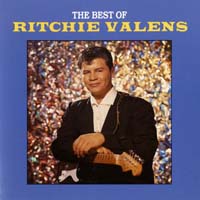
Ritchie Valens is a beloved music artist with an incredible legacy that stretches far beyond his tragically short life. His pioneering mix of Latin-tinged rock and roll has stood the test of time, reaching classic status among listeners from diverse cultural backgrounds who appreciate its timelessness. Despite being admired for his creative work, there are elements in some of Ritchie's recordings that can be seen as depicting an outdated attitude towards women which still resonate today. In this blog post, we will explore both sides: looking at how aspects such as lyrics and production influence the way that we interpret certain facets of Valen’s music in order to gain a better understanding of both the positive and negative impacts it has had on audiences over the years.
Ritchie Valens was an icon in the world of music. His unique style and incredible talent helped him create a legacy that would long endure, even after his untimely death at the age of just 17. With his songs often drawing upon his Latin heritage, Valens was a pioneer of a new style of rock and roll that has since become a classic. However, despite his creative talent, there are also elements within his music that have been subject to criticism in modern times. In this blog post, we'll explore both the positive and negative aspects of Valens's music, exploring how his work has impacted audiences over the years.
In many ways, the legacy of Ritchie Valens is almost entirely positive. His early death, along with that of Buddy Holly and The Big Bopper, has become known as the day the music died, and as such, Valens has come to represent the energy and vitality of an entire era. His music was groundbreaking, fusing different genres and styles in a way that had never been heard before. His most famous song, La Bamba, is an iconic anthem that has been covered countless times and has even been included in the National Recording Registry as one of the most culturally important songs in US history.
However, there are also negative aspects to Valens's music that cannot be ignored. One criticism of his work is that it often features a simplistic and stereotypical view of women. Songs like Donna and Oh Donna present a vision of women that is outdated and often objectifying, which can be difficult for modern listeners to reconcile with the more positive aspects of Valens's music.
Another criticism of Valens's music is that, especially when compared to the works of other musical pioneers like Chuck Berry and Little Richard, his lyrics and themes feel somewhat limited. While Chuck Berry, for example, used his music to touch upon broader cultural themes like racism and poverty, Valens's songs are more generic and less political in nature.
Despite these criticisms, there are still many positives to be found in Valens's music. His use of Latin influences, for example, was a key part of his unique style and helped pave the way for other Latinx musicians to break into the mainstream. Many of his songs, like Come On, Let's Go and Fast Freight, are still fun, energetic, and highly listenable, and his passion and enthusiasm for making music are palpable throughout his work.
In the end, the legacy of Ritchie Valens is complicated. While undoubtedly a musical pioneer whose work had a significant impact on the world of music, there are also aspects of his music that are subject to criticism in the modern era. However, it's important to examine both the positive and negative aspects of his legacy in order to truly understand the impact he had on his culture and his art form. As Valens's music continues to inspire new listeners today, it's up to us to embrace and celebrate the positive aspects of his work, while also recognizing the ways in which it might not meet modern expectations and standards.