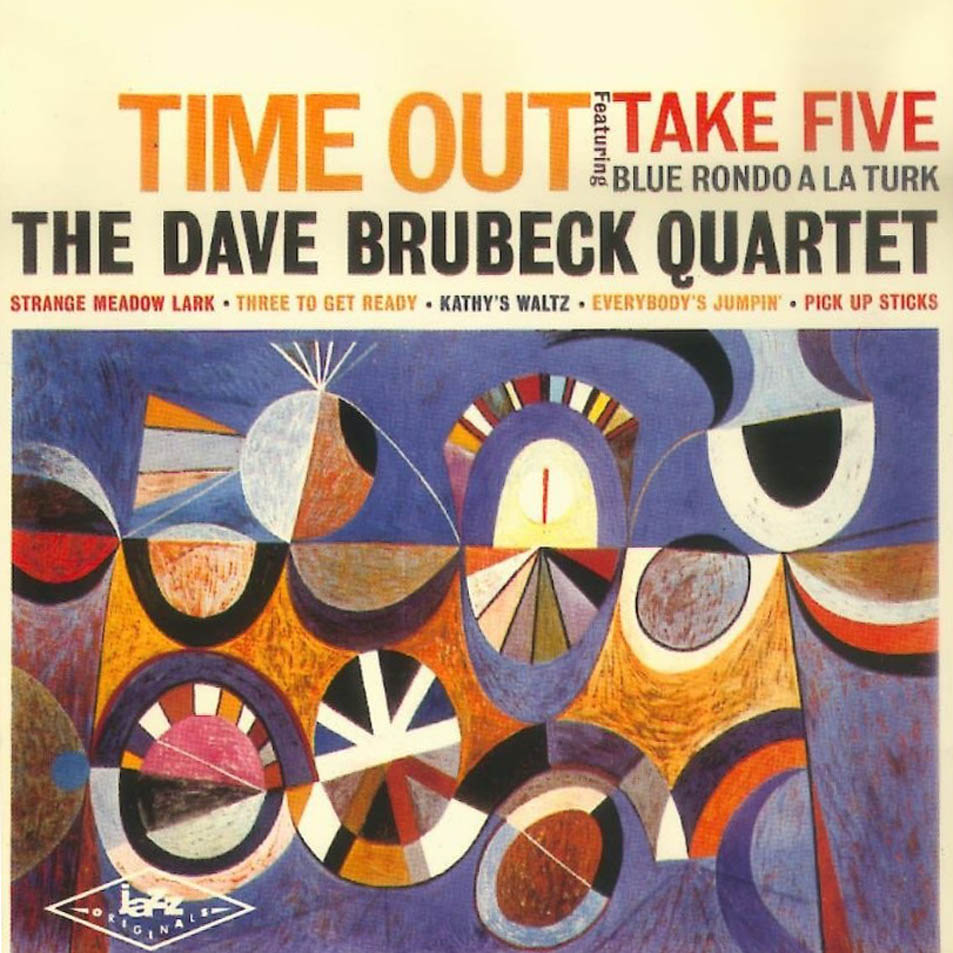
Any conversation about jazz music must inevitably include Dave Brubeck Quartet. And, depending on who you talk to, that inclusion will likely be both celebrated and scorned, the band has generated passionate reactions from listeners for decades! On one hand, there are those who feel their style is technical but trite - unable to capture true emotion or complexity. But then there’s an equally large (and growing) contingent of fans that finds something deeply moving in the group's melodic narrative arcs and playful improvisations. Today we're looking at the good, bad and ugly when it comes to Dave Brubeck Quartet – so get ready for one of those conversations!
Jazz music has always been a topic of discussion and debate among music lovers. And when it comes to discussing jazz, Dave Brubeck Quartet inevitably comes up. With over six decades of music under their belt, the band has generated passionate reactions from listeners worldwide. While their technical style has often been described as trite, the group's melodic narrative arcs and playful improvisations have also captured the hearts of many. In this blog post, we’ll explore the good, the bad, and the ugly of Dave Brubeck Quartet’s music.
Let’s start with the good. For generations of music lovers, Dave Brubeck Quartet’s “Take Five” has become synonymous with the jazz genre. This iconic song is not only catchy but also beautifully orchestrated, with each instrument playing off of each other to create a dynamic and evocative piece. The band's use of unusual time signatures and polyrhythmic structures also helped to redefine what jazz music could be. Tracks like “Blue Rondo à la Turk” and “Unsquare Dance” can attest to this, with their unique rhythmic patterns becoming some of the defining features of the Dave Brubeck Quartet's sound.
On the other hand, one of the criticisms of Dave Brubeck Quartet’s music is that it can sometimes feel overly technical and lacking in emotional depth. Listeners argue that the quartet can feel formulaic, with songs often following a similar structure. While some may argue that these criticisms are unfounded, there are certainly songs in the band's repertoire that feel like they're missing a certain emotional resonance. This can be seen in the song “Blue Shadows in the Street” – a song that, while technically proficient, does not quite pack the same punch as some of their more dynamic tracks.
Lastly, then there’s the ugly. While many celebrate Dave Brubeck Quartet's contributions to the jazz canon, there are also those who criticize the band's association with cultural appropriation. Some argue that the band's fascination with global musical cultures, whether it be Turkish or African rhythms, appropriates these sounds without truly understanding their cultural significance. This argument is particularly pertinent when examining the band's use of Black gospel music on their album “Time Out.” While the album and songs like “Everybody's Jumpin'” have been celebrated for their innovative use of nontraditional rhythms and harmonies, they also showcase what some perceive as the band's appropriation of Black gospel music.
At the end of the day, Dave Brubeck Quartet undoubtedly left its mark on the jazz genre. Their use of unusual time signatures and unique polyrhythmic structures pushed the boundaries of what jazz music could be. However, people’s opinions of their music are largely shaped by their own personal preferences. Some find the quartet's music too technical and formulaic, while others find it deeply moving and emotionally resonant. All opinions aside, it’s important to acknowledge the band's influence on jazz and to continue examining their legacy critically, recognizing both their successes and their flaws.