The Knife has become an iconic name in the music industry, combining cutting-edge electronica with thought-provoking political narratives. Similar to other notable artists such as Björk and Radiohead, The Knife's boundary pushing soundscapes and unique style of synthesizing artforms have attracted immense critical acclaim. But behind all that praise lies a more complex story: while songs like “Pass This On” and “Heartbeats” captivate audiences around the world, other major releases by the band—like their dance record Shaking The Habitual—have left fans divided over their direction. In today’s blog post we delve deep into The Knife's vision as well as both sides of fan reactions: separating what critics love about them from what listeners find lacking.
The Knife has become one of the most recognized names in the music industry, known for their innovative electronic sound and their thought-provoking political narratives. Their music has inspired critical acclaim and won over audiences across the globe. With a unique style of synthesizing art forms, The Knife has become iconic, like other artists such as Björk and Radiohead. But there is a more complex story behind the band that is often overlooked. Today, we delve deep into The Knife's vision, as well as the divided reactions of fans: what critics love about them and what listeners find lacking.
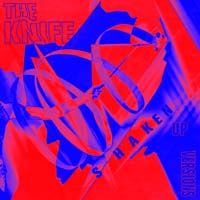
The Knife’s sound is a unique combination of electronic and pop, complemented by their thought-provoking lyrics. Their 2003 album, “Deep Cuts,” established their place in the music industry with hit singles such as “Heartbeats” and “Pass This On”. The Knife continued to push the boundaries of electronic music with their follow-up albums “Silent Shout,” “Tomorrow, In A Year,” and “Shaking the Habitual.” However, it was their direction with “Shaking the Habitual” that left fans divided.
While some fans appreciate the band’s continued experimentation, others question if they went too far. “Shaking the Habitual” is a double album, with each track averaging ten minutes in length. The album presents a stark departure from their previous releases with a more heavily political focus that some found too challenging to enjoy. Their bold expression and experimentation is evident in songs like “A Tooth for an Eye. The song's striking message highlights the disparity between the privileged and the underprivileged.
Although “Shaking the Habitual” may have left some fans scratching their heads, the album still received critical acclaim. With their use of repetitive and haunting synths, The Knife creates an incredibly original sound. The music sweeps you up, whether you agree with their message or not, challenging the listener to think beyond their everyday realities.
One of the reasons some fans see The Knife as divisive is because of their live performances. The Knife is known for crafting multimedia art performances that often challenges the traditional concert format. While some concertgoers appreciate their performances, others find them alienating. One such performance was at the Melt Festival in Germany, where The Knife played in the round, surrounded by fans while they stood motionless on a podium. The audience’s mixed reactions were caught on camera, with some obviously feeling bewildered while others appeared captivated.
The Knife's music is challenging, but that is what makes them iconic. They are masters of electronic music, always pushing boundaries and creating something new with every release. Their lyrics tackle political and social issues head-on, challenging listeners to think more deeply. The Knife may be divisive, but there is no denying the impact they have had on the music world. Whether you love them or hate them, The Knife's art is thought-provoking and has firmly cemented them as one of the most innovative bands of our time.