When it comes to iconic reggae artists, Jimmy Cliff’s name is definitely among the top names that come to mind. Known for hits like Many Rivers to Cross, The Harder They Come, and I Can See Clearly Now, Jimmy Cliff has had a long and successful career in music. However, his journey to becoming a music icon was paved with struggle, hard work, and determination. In this blog, we’ll take a closer look at the musical biography of Jimmy Cliff, from his humble beginnings to his most famous albums and songs.
Born as James Chambers on April 1st, 1948, in Somerset, Jamaica, Jimmy Cliff was the fourth of nine children in a family struggling to make ends meet. Despite growing up in poverty, Jimmy’s passion for music led him to start singing in church at the age of just four years old. By the time he was a teenager, he had already recorded his first single Hurricane Hattie and was making waves in the Jamaican music scene.
Over time, Cliff started to develop a unique sound that combined the island’s indigenous music genres, including ska, rocksteady, and reggae. His music featured socially conscious lyrics that spoke to the struggles of the working-class and marginalized people in Jamaica. Hit songs like Wonderful World, Beautiful People, You Can Get It If You Really Want, and Many Rivers to Cross quickly became anthems for a generation of Jamaicans who were fighting against oppression and inequality.
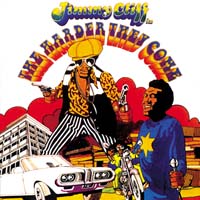
In 1972, Jimmy Cliff starred in the groundbreaking film The Harder They Come, which was directed by Perry Henzell. In the film, Cliff played the lead role of Ivan, a young man who dreams of becoming a music star but is forced to turn to a life of crime due to poverty and limited opportunities. The film’s soundtrack, which was composed and performed by Cliff, became an instant classic and further solidified his status as a music icon.
With a career spanning over five decades, Jimmy Cliff has released numerous albums, collaborated with various artists, and won numerous awards. Some of his most famous albums include Jimmy Cliff, Universe, and Black Magic. Songs like The Harder They Come, Vietnam, and Sitting in Limbo continue to be praised for their lyrics, melodies, and cultural significance.
Jimmy Cliff’s contribution to the reggae genre and music, in general, cannot be overstated. His music has been a powerful tool for inspiring change and creating awareness about social injustice. From his early beginnings as a young boy, singing in church, to his iconic performances on stage and the big screen, Cliff’s journey is a testament to the power of determination, hard work, and passion. His music continues to be listened to by fans all over the world and has touched countless lives. In a time when the world is still grappling with issues of inequality and injustice, the message in Jimmy Cliff’s music is more relevant than ever.